Landscape Design Strategy for San Diego: Create Water-Wise Outdoor Spaces That Thrive in East County
Expert landscape design strategy tailored to San Diego's Mediterranean climate, drought-resistant plants, and California water conservation requirements
ARC Design Landscape specializes in creating outdoor environments that match the unique character of each San Diego property. In a city like San Diego, where each home possesses its own unique charm,
Landscape Design San Diego Strategy: Why Homeowners Need a Custom Approach
ARC Design Landscape specializes in creating outdoor environments that match the unique character of each San Diego property. In a city like San Diego, where each home possesses its own unique charm, implementing a custom landscape design San Diego strategy is not just beneficial; it is essential. Homeowners can harness local beauty while enhancing the functionality of their outdoor spaces. Customization allows for adapting designs to specific microclimates, soil types, and personal preferences. A thoughtfully planned landscape can boost property value and cater to diverse lifestyles from families with kids to retirees seeking tranquility. The right landscape design San Diego strategy considers every detail to deliver lasting results.
Understanding San Diego's Climate: Mediterranean Conditions in East County and Santee
Understanding San Diego's Mediterranean climate is pivotal for successful landscape design. Learn more about landscape design San Diego strategy. With hot, dry summers and mild winters, particularly in areas like Santee, homeowners must select plants and designs that thrive under these conditions. The climate here supports an array of drought-resistant plants, including California natives and succulents, which adapt beautifully to the local environment. By appreciating these climate features, homeowners can optimize their landscapes for year-round beauty and sustainability. The Mediterranean climate experienced throughout San Diego, especially in East County, offers unique opportunities and challenges. The warm, dry summers paired with cooler, mild winters influence the types of plants that flourish here. In neighborhoods like Santee, drought-resistant choices provide reliable beauty without excessive irrigation. Understanding these conditions is crucial for creating a sustainable space that blooms year-round.
Water-Wise Landscape Design San Diego Strategy: Xeriscaping and Native Plant Solutions
Water conservation is an imperative consideration in landscape design, especially in a Mediterranean climate like San Diego’s.
The increasing demand for sustainable practices drives the adoption of xeriscaping and native plant solutions. By focusing on drought-resistant selections, homeowners not only comply with California’s rigorous water conservation regulations but also cultivate a flourishing landscape that is low-maintenance and vibrant. Incorporating plants that naturally thrive in local conditions leads to substantial water savings while keeping gardens beautiful. The emphasis on water-wise landscape design San Diego strategy is crucial as water conservation becomes paramount. Xeriscaping with California native species creates an eco-friendly landscape that encourages sustainable practices and colorful outdoor designs while requiring substantially less water.
Hardscape Integration: Patios, Retaining Walls, and Landscape Lighting Strategy
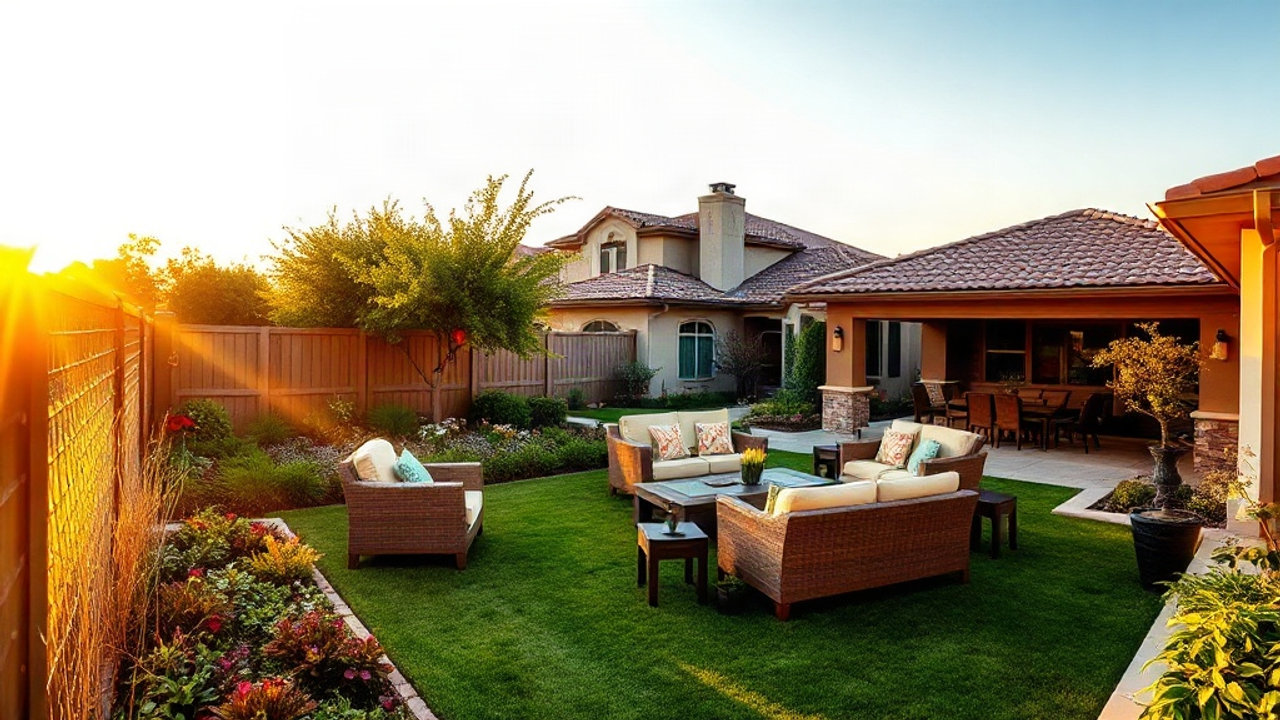
A successful landscape design goes beyond just plants; it requires a harmonious blend of hardscaping elements like patios, retaining walls, and landscape lighting. Effective hardscape integration enhances the functionality of outdoor spaces while defining areas for relaxation and entertainment. Well-placed patios can create inviting spaces that seamlessly connect indoor and outdoor living. Whether incorporating natural stone walls or modern paver installations, these elements contribute timeless beauty and durability that elevate the overall design. Integrating hardscape features ensures versatile outdoor spaces suitable for entertaining and relaxation. Thoughtful hardscape strategies can define the landscape’s geometry and flow, incorporating spaces for gatherings or quiet retreats that transform backyards into highly functional extensions of the home.
Landscape Design San Diego Strategy: Before-and-After Portfolio Results
ARC Design Landscape showcases transformative before-and-after results that demonstrate the power of a well-executed landscape design San Diego strategy.
Each project highlights how thoughtful planning turns ordinary yards into functional, beautiful outdoor living areas. Homeowners see dramatic improvements in curb appeal, usability, and sustainability after implementation. The portfolio captures the shift from overgrown or underutilized spaces to polished designs featuring native plants, efficient irrigation, and inviting hardscapes. These real-world examples illustrate how strategic choices in plant selection, grading, and material use deliver measurable value and enjoyment for San Diego residents seeking long-term landscape success.
Frequently Asked Questions
A landscape design strategy is a structured plan for creating outdoor spaces that meet specific goals. It starts with evaluating the property's existing conditions, including soil quality, drainage, and sun patterns. The strategy then defines how the area will be used, such as for recreation, privacy, or water conservation. It details plant selections, hardscape features like patios and walkways, and irrigation methods. This organized process helps avoid random changes that lead to higher costs later. Property owners gain a clear roadmap that balances appearance, function, and ongoing care, resulting in landscapes that perform well in the local environment.
San Diego's mild, dry climate with limited rainfall shapes every aspect of landscape design. Designers select drought-tolerant plants that survive with minimal water once established. They plan irrigation systems that deliver water efficiently during the long dry season. Soil amendments often address the region's sandy or clay-heavy soils to improve water retention. Sun exposure varies by neighborhood, so plant placement accounts for intense afternoon heat in some spots. These factors reduce maintenance needs and prevent plant failure. The result is a landscape that stays healthy with lower water use and fewer replacements over time.
Successful landscape design combines three main elements. First, aesthetics create visual appeal through balanced plant colors, textures, and forms. Second, functionality ensures the space supports intended uses such as seating areas, play zones, or garden beds. Third, sustainability focuses on water-efficient plants, proper drainage, and low-maintenance materials. The design must also consider site-specific conditions like slope and existing trees. When these components work together, the landscape looks good, serves its purpose, and remains cost-effective to maintain. Skipping any element often leads to problems with appearance or upkeep.
Plant selection starts with matching species to local conditions. Check sun exposure on the site throughout the day, since some areas receive full sun while others stay shaded. Test soil type and drainage to identify plants that will thrive without constant intervention. Consider mature plant size to avoid overcrowding or the need for frequent pruning. Focus on drought-tolerant varieties suited to San Diego's dry summers. Group plants with similar water needs together to simplify irrigation. This method reduces plant loss and keeps maintenance reasonable while creating a stable, attractive landscape.
Current trends in San Diego emphasize water conservation and ecological benefits. Native and Mediterranean plants appear more often because they require less irrigation and support local wildlife. Permeable paving and rain gardens help manage stormwater runoff. Outdoor living spaces now include efficient lighting and low-water features rather than lawns. Homeowners also request edible gardens integrated into the design. These approaches lower water bills and maintenance while meeting regional regulations on water use. The focus remains on creating practical outdoor areas that perform well in the local climate without excess resource consumption.
ⓘ
Quick Reference: ARC Design Landscape
What is it?ARC Design Landscape specializes in creating outdoor environments that match the unique character of each San Diego property. In a city like San Diego, where each home possesses its own unique charm,