ARC Design Landscape specializes in landscape design San Diego best practices that thrive in the region's Mediterranean climate. San Diego's Mediterranean climate provides a unique opportunity for lan
Landscape Design Best Practices for San Diego's Mediterranean Climate
ARC Design Landscape specializes in landscape design San Diego best practices that thrive in the region's Mediterranean climate. San Diego's Mediterranean climate provides a unique opportunity for landscape design that thrives year-round. The warm, dry summers combined with mild winters favor a range of drought-resistant plants, particularly California natives and Mediterranean species. Emphasizing natural landscaping techniques can substantially enhance the beauty and sustainability of your outdoor space. Selecting plants that not only survive but thrive under the local climate conditions can lead to significant reductions in water usage, aligning perfectly with California’s ongoing water conservation efforts. Implementing a holistic approach toward landscape design is key. Incorporating design features that take advantage of the local topography can create microclimates that further accommodate various plant types. Additionally, integrating permeable surfaces allows for better water drainage, reducing run-off and enhancing soil moisture retention. The wise use of hardscape elements can complement natural features while providing functional spaces for enjoyment. The result is a landscape that's both aesthetically pleasing and environmentally responsible. By prioritizing these best practices, you can create outdoor spaces that require less maintenance and more enjoyment, ultimately transforming your San Diego property into a personal oasis.
Water-Wise Xeriscaping: California Native Plants & Drought-Resistant Species
Xeriscaping is not just a trend; it is a necessity in arid climates like that of San Diego, where water conservation is critical. Learn more about landscape design San Diego best practices. By leveraging drought-resistant species and California native plants, homeowners can cultivate landscapes that flourish with minimal irrigation by enlisting the expertise of a professional landscape design company serving Santee and East County San Diego. The key is to select plants that have adapted to the local environment, such as succulents and flowering perennials that bloom year-round. Employing xeriscaping techniques does not mean sacrificing beauty; rather, it allows for stunning, low-water gardens that promote biodiversity. For example, plants like the California lilac and desert marigold not only provide vibrant colors but also attract local wildlife, enhancing the ecological balance. Furthermore, the San Diego Water Conservation program encourages residents to adopt water-saving landscape practices, guiding them toward selecting appropriate plants that require less water while still thriving. By embracing these principles, homeowners can transform their spaces into lush retreats that respect local ecology, reduce water bills, and require less maintenance over time.
Hardscape Design & Patio Cover Installation for San Diego Homes
Incorporating hardscapes into your landscape design is vital for creating functional and aesthetically pleasing outdoor spaces.
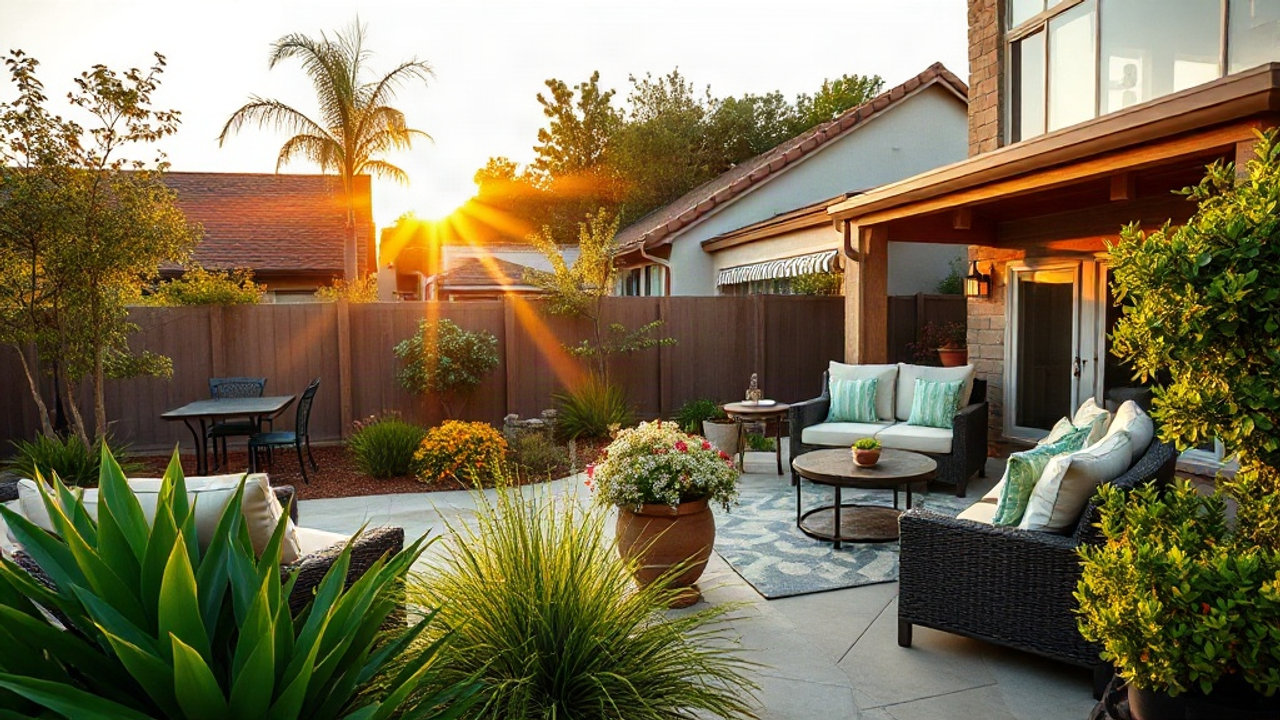
Patio covers, walkways, and retaining walls not only define areas within your yard but also provide practical solutions for managing the unique topography of San Diego properties. Choosing durable materials that can withstand the local climate is essential. Extra care should be taken to ensure that any hardscape installation not only enhances the home's exterior but also complements the natural landscape. For instance, utilizing materials like decomposed granite or permeable pavers helps with drainage while reducing heat retention. Additionally, a well-designed patio cover can shield areas from the sun, making your outdoor living space enjoyable throughout the year, even during the peak summer heat. A professional landscape design company serving Santee and East County San Diego can guide you in creating a cohesive design that reflects your style while embracing functionality. Considering elements like seating arrangements and fire pits can further enhance usability, ensuring your outdoor space is perfect for gatherings or quiet evenings. Through thoughtful hardscape design, you can establish a welcoming environment that highlights your landscape’s beauty and contributes to its overall effectiveness.
Landscape Lighting Design for Your San Diego Outdoor Space
Proper landscape lighting design is essential for showcasing the beauty of your outdoor environment as well as improving safety and functionality. Thoughtfully placed lights can accentuate architectural features, illuminate walkways, and highlight lush plantings, creating a stunning atmosphere even after the sun sets. Focusing on energy-efficient options like LED fixtures can minimize costs while providing effective illumination. The use of warm-toned lights not only enhances the overall appeal but also creates inviting spaces for late-night gatherings or quiet evenings. When planning your landscape lighting, consider the different zones of your outdoor area. Spotlighting unique trees or sculptures can provide drama and interest, while softer ambient lighting can create a serene setting for relaxation. Additionally, incorporating motion sensors or timers can enhance security, illuminating pathways only when needed. It’s wise to collaborate with a skilled designer who understands how to integrate lighting seamlessly into the landscape design, ensuring it complements the visual aesthetics while adhering to energy efficiency guidelines. By investing in thoughtful lighting strategies, homeowners can significantly elevate their outdoor experience, making it a lively extension of their home.
Landscape Paver Design & Retaining Wall Solutions for San Diego County
As residential properties in San Diego can often feature challenging topography, the intelligent design of landscape pavers and retaining walls becomes crucial.
These elements not only provide functional solutions for erosion control and level changes but also contribute significantly to landscaping aesthetics. Selecting the right materials is key to achieving a proper balance between durability and visual appeal. For example, the use of textured pavers can create eye-catching pathways and patios while ensuring a non-slip surface. Similarly, well-constructed retaining walls can be both functional and decorative, serving as a backdrop for flower beds or seating areas. Proper drainage considerations must be incorporated into these structures to ensure long-term effectiveness. Integrating plants and greenery into the designs softens hard edges, promoting a harmonious transition between built and natural elements. Collaborating with a landscape professional who understands local regulations and conditions can help in designing solutions that not only meet aesthetic desires but also ensure structural longevity. Properly executed paver designs and retaining walls will significantly elevate your property’s value and usability, transforming your outdoor space into a sophisticated haven.
Seasonal Landscape Maintenance Tips for East County San Diego
Seasonal landscape maintenance is vital to sustaining the beauty and health of East County San Diego gardens. The unique climate presents specific challenges and opportunities throughout the year, making knowledge of seasonal requirements essential. Understanding those needs can help property owners apply landscape design San Diego best practices effectively. Regular tasks such as pruning, mulching, and irrigation adjustments keep plants healthy and reduce water waste. In spring, focus on soil testing and planting drought-tolerant species to prepare for summer heat. Summer requires monitoring for pests and ensuring mulch layers protect roots from drying out. Fall is ideal for aerating soil and installing new hardscape features before winter rains. Winter maintenance involves clearing debris and checking drainage systems to prevent erosion. Consistent care throughout each season ensures landscapes remain vibrant and sustainable while minimizing long-term costs for homeowners.
San Diego's Mediterranean climate shapes effective landscape design through careful plant selection suited to hot dry summers and mild winters. Sustainable practices such as efficient irrigation and mulch application reduce water use while supporting plant health. Soil testing guides amendments that improve drainage and nutrient levels. Design must address sun exposure, wind, and microclimates across the site. Layering vegetation with proper spacing creates visual depth and encourages biodiversity. Hardscape elements like permeable surfaces manage runoff. Together these steps produce a stable outdoor space that remains attractive year-round with lower long-term effort.
Choosing plants for San Diego landscapes begins with matching species to site conditions including soil type, sun exposure, and water availability. Native plants provide strong resilience because they are adapted to local rainfall patterns and temperature swings. They establish quickly with minimal irrigation after the first year and resist regional pests. Review lists from local resources to identify suitable varieties and avoid invasive types that harm nearby ecosystems. Group plants by similar water needs to simplify care. This method yields a landscape that stays healthy without frequent replacements or intensive upkeep.
Sustainable practices in San Diego focus on drought-resistant techniques that conserve water and protect resources. Install drip irrigation with weather-based controllers to deliver water only where needed. Apply mulch to retain soil moisture and suppress weeds. Collect rainwater for dry-season use and improve soil structure with organic matter to increase holding capacity. Select plants grouped by water requirements to avoid waste. These steps lower utility costs and reduce dependence on imported water while keeping the landscape healthy through seasonal dry periods.
Topographical features guide key decisions in San Diego landscape design by affecting drainage, erosion control, and plant placement. Sloped ground requires terracing or retaining walls to stabilize soil and direct water flow away from structures. Low areas need improved drainage to prevent root damage from standing water. Elevation changes influence sun and wind exposure, which determines suitable plant locations. Assessing these elements early allows strategic layout of vegetation and hardscape. The result is a functional design that manages water efficiently and maintains stability across varied terrain.
Common mistakes in San Diego landscape design include overcrowding plants, which causes resource competition, poor airflow, and higher disease risk. Neglecting maintenance planning leads to overgrown areas that require costly corrections later. Skipping soil tests results in poor establishment and repeated plant loss. Inadequate irrigation layout wastes water or leaves sections stressed during dry months. Addressing spacing, soil preparation, and a realistic care schedule from the start prevents these issues and supports long-term success with reduced effort and expense.
ⓘ
Quick Reference: ARC Design Landscape
What is it?ARC Design Landscape specializes in landscape design San Diego best practices that thrive in the region's Mediterranean climate. San Diego's Mediterranean climate provides a unique opportunity for lan