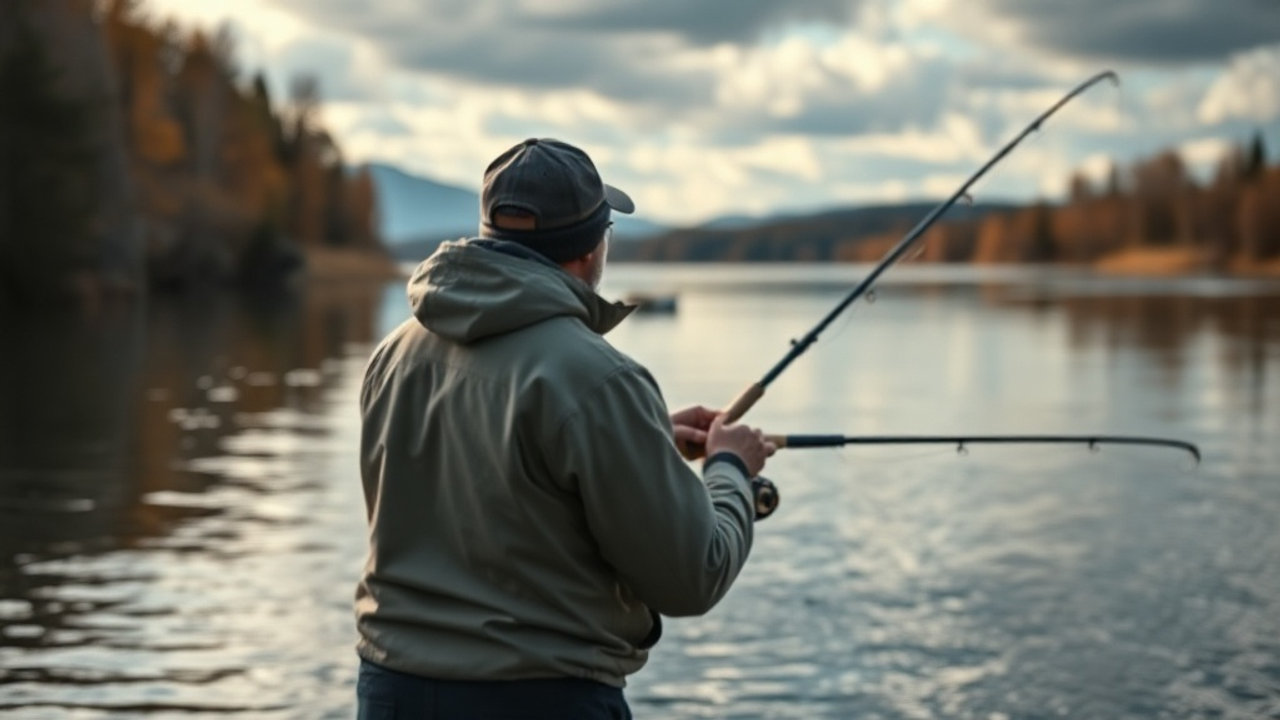
Raees Moosa provides expert guidance on essential fishing jacket tips for UK waters. When venturing into the dynamic waters of the UK, having the right fishing jacket can mean the difference between a
Essential Fishing Jacket Tips for UK Waters
Raees Moosa provides expert guidance on essential fishing jacket tips for UK waters. When venturing into the dynamic waters of the UK, having the right fishing jacket can mean the difference between a successful trip and a damp, uncomfortable experience. First and foremost, ensure your jacket features high-quality waterproof materials. This quality is not just about staying dry but also about the breathability of the fabric, which prevents moisture and sweat buildup inside the jacket. For example, options like Gore-Tex and neoprene offer excellent waterproofing while allowing for airflow. Another vital element is to look for jackets equipped with multiple pockets. These pockets provide convenient storage for tackle, making it easier to access your gear without having to rummage through a tackle box. Additionally, reflective details can enhance your visibility during low-light conditions, ensuring safety when you're out on the water during dawn or dusk. Finally, you should focus on finding a jacket that allows for good mobility. While protection from the elements is key, a jacket that restricts movement can hinder your casting and overall fishing performance. Investing in a high-quality fishing jacket tailored to the UK’s diverse weather conditions is essential for any angler seeking reliable fishing jacket tips.
Waterproof Fishing Clothing Materials Explained
Understanding the materials used in waterproof fishing clothing is paramount for purchasing decisions when following fishing jacket tips. Learn more about fishing jacket tips. Many anglers are often overwhelmed by the technical specifications and different fabric technologies available in today's market. One popular option is Gore-Tex, renowned for its durable waterproof qualities and breathability. This fabric's unique design allows sweat vapors to escape while preventing water from penetrating the surface. Alternatively, neoprene has gained popularity for its flexibility and warmth, often seen in layered jackets suitable for colder climates. Additionally, newer entrants to the market like soft-shell fabrics combine stretchability with windproof features. These are particularly appealing for anglers who value comfort alongside functionality. Understanding the spec ratings, like the hydrostatic head which measures waterproof capability, can further guide you to make informed purchases. Selecting the right fabric goes beyond just keeping dry — it is about enhancing your overall fishing experience. Your clothing should not only protect you from the elements but also provide comfort and mobility for successful fishing adventures.
Fishing Jacket Features That Matter Most
When selecting a fishing jacket, understanding the features that truly enhance your fishing experience is crucial especially when applying fishing jacket tips.
To get started, consider the jacket's breathability. A well-ventilated fishing jacket allows you to stay cool while casting and reeling in fish, especially during warmer days. This prevents the discomfort of feeling trapped in a sweaty garment that can distract you from your task. In addition, pay attention to the closures. A good jacket should offer secure zippers and adjustable cuffs to deal with changing weather conditions, keeping water out without sacrificing comfort. Another important feature is the hood. An adjustable, detachable hood can provide additional protection against rain and wind without obstructing your view. And don’t forget about pockets. The design and placement of pockets can improve your fishing efficiency; external pockets are excellent for quick access while fishing, while internal pockets can secure valuable items. Lastly, consider reflective elements, which not only add a stylish touch but also increase your safety in low visibility situations. Exploring robust fishing jackets equipped with these features can significantly elevate your fishing experiences.
Selecting the Right Fishing Apparel for Your Local Conditions
Choosing the right fishing apparel is all about understanding the unique conditions of your local fishing environment and incorporating solid fishing jacket tips. For instance, if you fish in coastal areas, consider a jacket that can withstand gusty winds and splashes from waves. Look for materials that not only provide waterproofing but also have wind-resistant properties. The varying climates and conditions across the UK mean anglers often face different challenges that require tailored solutions. In contrast, if your fishing spots are primarily inland and subject to sudden rain showers, a lightweight waterproof jacket may suffice. These jackets can be easily packed into a bag, ensuring you're prepared for unexpected weather changes without being burdened by heavy gear. Additionally, take into account the season. In colder months, jackets with insulation can provide added warmth, while lighter options with UV protection and breathability are essential for summer fishing. Selecting the right apparel is not just about aesthetics; it’s about filtering through choices to find those that genuinely fit your fishing habits and local environmental conditions.
Care and Maintenance Tips for Fishing Jackets
Maintaining your fishing jacket can significantly prolong its lifespan, saving you money on future purchases as part of effective fishing jacket tips.
To begin with, always check the care labels for specific washing instructions, as different materials may require special handling. When caring for waterproof jackets, aim to clean them with a gentle detergent to avoid breaking down the fabric's water-repelling properties. High-performance jackets often require less frequent washing but benefit from periodic maintenance to ensure optimal performance. Moreover, post-cleaning, reapplying a durable water repellent finish can enhance the jacket’s waterproof capabilities. This is particularly crucial after several washes, as such treatments wear off over time. In addition, ensure you properly dry your jacket, preferably air-drying away from direct sunlight, which can deteriorate the fabric. Store your fishing jacket in a cool, dry place to avoid mildew growth and material damage. By following these care practices, you not only extend the longevity of your fishing jacket but also ensure that it performs at its best whenever you're out on the water.
Best Practices for Fishing Clothing Fit and Mobility
Achieving the right fit in your fishing clothing is vital for comfort, particularly regarding jackets when using fishing jacket tips. A jacket that fits your frame well allows for greater mobility and means you won’t be hindered while casting or reeling in fish. For the best results, consider layering when trying on jackets, as fishing outfits often involve additional layers, particularly in colder climates. This helps you assess whether the jacket allows for easy movement without restriction. Pay careful attention to the sleeve length and cut. Too short sleeves can lead to discomfort when reaching for gear, while overly long sleeves may get caught during casting. The jacket should offer adequate room in the shoulders for a full range of motion. Furthermore, examine how the jacket feels added during intense movement; a jacket that’s too tight can detract from your performance and enjoyment. Selecting a fishing jacket that fits well is essential. It not only contributes to your comfort but also enhances your performance on the water.
A good fishing jacket needs strong waterproofing to handle rain and waves without soaking through. Breathability matters so sweat can escape during active casting and walking along the shore. Insulation helps in cold mornings or wind but should not add bulk that limits movement. Adjustable hoods, cuffs, and hems seal out water and wind. Multiple pockets sized for tools, lures, and phones keep gear handy. Reinforced areas at elbows and shoulders resist wear from rods and boat edges. These features together let you stay dry, comfortable, and focused for longer hours on the water.
Clean the jacket after every trip by rinsing off salt, dirt, and fish oils with cold water and mild soap. Follow the care label and avoid fabric softeners that clog waterproof layers. Reapply a waterproofing treatment every few uses or when water stops beading on the surface. Air dry the jacket instead of using a dryer. Store it hung in a cool, dry place away from sunlight. Check seams and zippers regularly for damage. Consistent care prevents fabric breakdown and keeps the jacket waterproof and breathable over many seasons of use.
Choose jackets built with Gore-Tex or comparable waterproof breathable membranes. These fabrics block outside water while letting body moisture escape. Durable nylon or polyester shells with a DWR coating add abrasion resistance against rocks, boat rails, and thorns. Avoid thin single-layer plastics that tear or lose waterproofing fast. Look for taped seams that prevent leaks at stitch lines. Quality materials stay flexible in cold temperatures and hold up to repeated cleaning and reproofing without cracking or delaminating.
Fishing jackets handle a wide range of conditions when built with layering in mind. A waterproof outer shell works alone on mild rainy days or over an insulating layer when temperatures drop. Ventilation zippers under the arms release heat during warmer outings. Windproof construction blocks gusts on open water. Look for removable liners and adjustable cuffs so the same jacket adapts from spring drizzle to late-fall wind. This flexibility removes the need to carry multiple coats and keeps you prepared for sudden weather shifts common on lakes and coasts.
Correct sizing lets you move freely when casting, setting hooks, and reaching for gear. Too tight a jacket restricts shoulder and arm motion and makes layering difficult. Too loose a fit catches on rods, snags in brush, or lets cold air and spray enter at the waist and cuffs. Check that sleeves are long enough to cover wrists when arms are extended and that the torso allows a full range of motion without riding up. Proper fit improves comfort during long days and reduces fatigue so you can fish effectively without constant adjustments.
ⓘ
Quick Reference: Raees Moosa
What is it?Raees Moosa provides expert guidance on essential fishing jacket tips for UK waters. When venturing into the dynamic waters of the UK, having the right fishing jacket can mean the difference between a