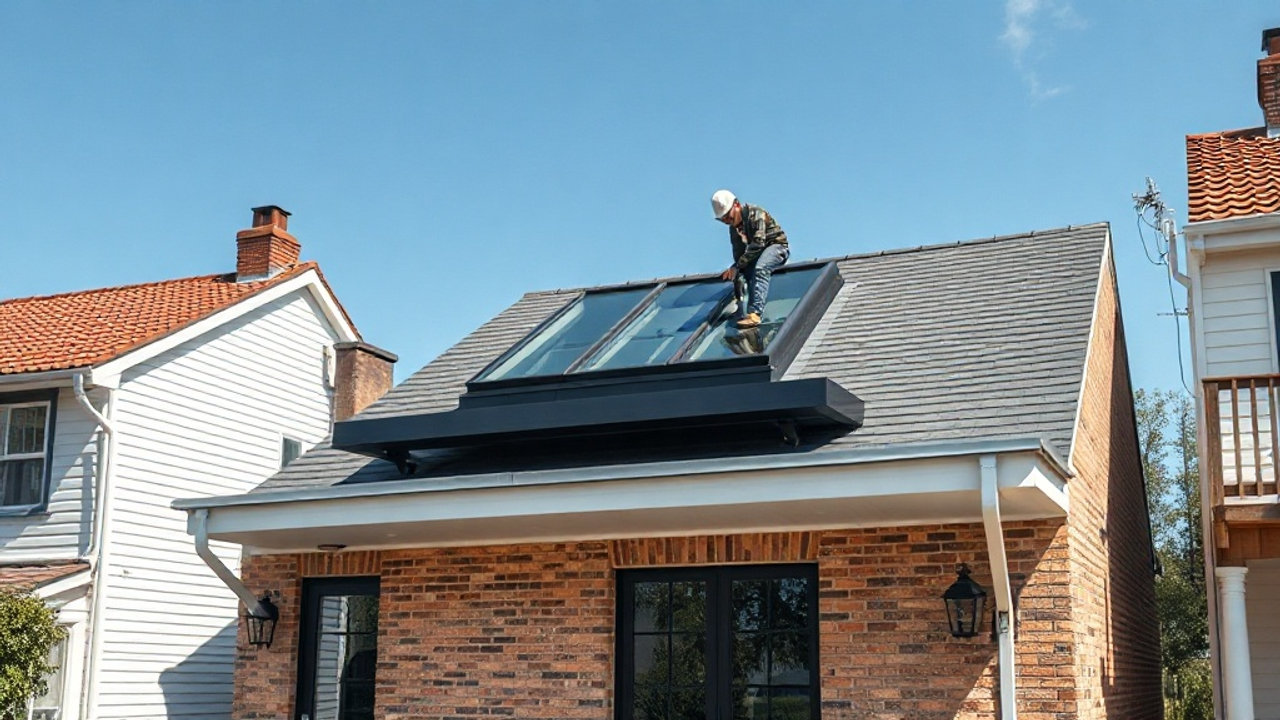
Skylights & Rooflights provides premium solutions including the flat walk on rooflight designed for safe pedestrian access. Walk on rooflights, often referred to as walkable skylights or roof access l
What Are Walk On Rooflights and How Do They Work?
Skylights & Rooflights provides premium solutions including the flat walk on rooflight designed for safe pedestrian access. Walk on rooflights, often referred to as walkable skylights or roof access lights, are specifically engineered to allow safe foot traffic while simultaneously letting in natural light. These innovative glazing systems feature sturdy frameworks capable of supporting significant weight, typically rated around 40 to 100 lbs per square foot. They are made from materials such as polycarbonate, acrylic, or laminated glass, all of which collect and diffuse sunlight throughout the space beneath. This means you can enjoy sunlight without compromising safety. The underlying structure, which includes a supportive frame and an internal drainage system, ensures that any water penetrating the surface is properly channeled away, reducing the risk of leaks. When installed correctly, walk on rooflights enhance both aesthetic appeal and functionality in a variety of settings. By strategically placing these rooflights, design professionals and homeowners alike can transform under-utilized areas into vibrant, inviting spots full of natural illumination. Moreover, they also comply with stringent safety standards outlined by organizations such as the International Code Council, ensuring long-lasting durability and usability.
Safety Standards and Load Capacities of Walk On Rooflights
When considering walk on rooflights, understanding load ratings and safety certifications is paramount. These products are engineered to accommodate foot traffic and are subjected to stringent testing to ensure they meet industry safety standards. Most walk on rooflights can support loads ranging from 40 to 100 lbs per square foot, depending on their construction and the materials used. This capability is crucial for applications in commercial and industrial environments where safety is a top priority. The flat walk on rooflight offers reliable performance under these loads. Moreover, manufacturers typically pursue certifications from recognized entities, like the International Code Council, which verifies that these rooflights meet established building code standards. These certifications not only provide peace of mind for architects and builders but also enhance the resale value of the property. With their rigorous testing and safety features, walk on rooflights are designed to withstand various environmental conditions while providing a safe surface for foot traffic. When installed according to local regulations, these rooflights deliver both practicality and aesthetic appeal, making them an excellent choice for anyone looking to incorporate safe, natural light into their design.
Comparing Polycarbonate and Glass Rooflights for Optimal Performance
Selecting the right material for walk on rooflights is a critical decision that can impact both function and aesthetics.
Learn more about flat walk on rooflight. Polycarbonate and glass are the two primary materials used, each with its own set of advantages. Polycarbonate is known for its durable properties and excellent resistance to impact, making it a favored choice for many commercial applications such as premium walk on rooflights for commercial buildings. Additionally, polycarbonate can be produced in various colors and tints, allowing for customization that can complement any design scheme. The flat walk on rooflight can be fabricated from either material to suit project needs. On the other hand, glass offers superior visibility and a more upscale look, appealing to homeowners and architects who prioritize design elegance. Laminated glass particularly stands out due to its strength and safety features, as it remains intact even when shattered. A professional installation ensures that whichever material is chosen can meet necessary load ratings and perform optimally. Ultimately, the choice between polycarbonate and glass will hinge on specific project requirements, budget considerations, and the desired aesthetic outcome. Both materials, however, allow for significant natural light transfer, elevating the atmosphere of any space they occupy.
Applications of Walk On Rooflights in Commercial and Industrial Settings
Walk on rooflights are increasingly becoming essential elements in various commercial and industrial settings. Utilizing rooflights can transform otherwise neglected roof areas into functional spaces that enhance both light quality and energy efficiency. Warehouses and manufacturing facilities, for instance, often benefit from having ample natural light, which can significantly improve working conditions and reduce reliance on artificial lighting. This not only fosters a more pleasant atmosphere for employees but can lead to considerable cost savings over time. Retail spaces also find walk on rooflights advantageous — they invite potential customers into a well-lit environment, showcasing products in the best possible light. Furthermore, modern homes are incorporating walkable rooflights to create stunning rooftop gardens and patios, bridging the gap between indoor comfort and outdoor enjoyment. The ability to install these rooflights seamlessly into varying architectural styles makes them versatile for numerous applications. For those seeking to enhance their space, these products not only deliver aesthetic appeal but are also practical solutions for improving light quality and energy performance.
Understanding Installation and Compliance for Walk On Rooflights
Incorporating walk on rooflights into your design requires careful adherence to local building codes and installation standards.
These regulations, often dictated by the International Code Council, ensure that rooflights are safe and effective in different environments. To begin with, it is vital to consult with local authorities regarding building requirements, as they can vary significantly from one region to another. A skilled contractor will typically know existing compliance stipulations, simplifying the process for homeowners and design professionals alike. Installation must address several factors, including correct load ratings, waterproofing measures, and structural integrity to ensure safety and longevity. Furthermore, improper installation can lead to hazardous situations, such as leaks or compromised stability. Therefore, utilizing the expertise of licensed professionals will provide peace of mind and ensure that the product is installed correctly. Many contractors are familiar with installing premium walk on rooflights for commercial buildings, ensuring a seamless fit that aligns with safety standards and aesthetic desires. Taking the necessary steps in compliance and installation lays the foundation for a successful project and maximizes the benefits these rooflights bring.
Finding the Right Contractors for Your Walk On Rooflight Installation
Identifying qualified contractors for walk on rooflight installation is pivotal in maximizing the performance and safety of these innovative features. Not only do they need to have an in-depth understanding of construction standards, but they must also be familiar with local building codes that impact installation. A reputable contractor will typically possess relevant certifications and experience specifically with rooflights, ensuring that they can handle various installations across both commercial and residential properties. They should also be well-versed in different materials, from polycarbonate to laminated glass, to provide recommendations tailored to your specific project. Engaging with contractors who have a proven track record of successful installations can significantly reduce the likelihood of complications down the line. As these rooflight systems become more popular, professionals trained in the flat walk on rooflight ensure optimal results for clients seeking durable and code-compliant solutions that enhance both safety and natural lighting throughout the building.
A flat walk on rooflight is a skylight built into flat roofs to support safe foot traffic. It uses reinforced frames and high-strength glazing that can handle the weight of people walking over it. The surface often includes non-slip treatments for added safety during maintenance or daily use. These units combine daylight entry with structural performance, allowing rooftops to remain accessible without separate walkways. They are installed with proper sealing to prevent leaks and meet relevant building standards for load capacity and weather resistance.
Flat walk on rooflights provide natural daylight that reduces reliance on artificial lighting during the day. They also improve ventilation when fitted with opening mechanisms, helping to regulate indoor air quality. By creating a stable walking surface, they turn otherwise unused roof areas into functional space for access, maintenance, or leisure. This dual purpose adds value to buildings by combining illumination, airflow, and usable rooftop real estate without compromising roof integrity or safety.
Flat walk on rooflights are designed and tested to carry heavy pedestrian loads while resisting wind, rain, snow, and temperature extremes. Reinforced frames and impact-resistant glazing materials prevent cracking or deformation under normal use. Manufacturers apply weatherproof seals and coatings that protect against UV exposure and corrosion. When properly installed, these units maintain performance over many years with minimal maintenance, meeting structural codes for both safety and longevity in demanding rooftop environments.
Yes, flat walk on rooflights can be made to match specific roof dimensions, slopes, and architectural styles. Options include different glazing types, frame finishes, sizes, and load ratings to suit residential, commercial, or industrial projects. Custom designs also allow integration with existing waterproofing systems and can incorporate features such as opening vents or non-slip patterns. This flexibility ensures the units fit the building requirements while preserving structural and aesthetic consistency across varied roofing systems.
Many flat walk on rooflight designs improve energy performance by balancing daylight admission with thermal control. High-performance glazing reduces heat loss in winter and limits solar gain in summer, lowering heating and cooling demands. Optimized light transmission decreases the need for electric lighting during daytime hours. When combined with proper insulation and sealing, these units contribute to better overall building efficiency while still providing a safe, walkable surface on flat roofs.
ⓘ
Quick Reference: Skylights & Rooflights
What is it?Skylights & Rooflights provides premium solutions including the flat walk on rooflight designed for safe pedestrian access. Walk on rooflights, often referred to as walkable skylights or roof access l