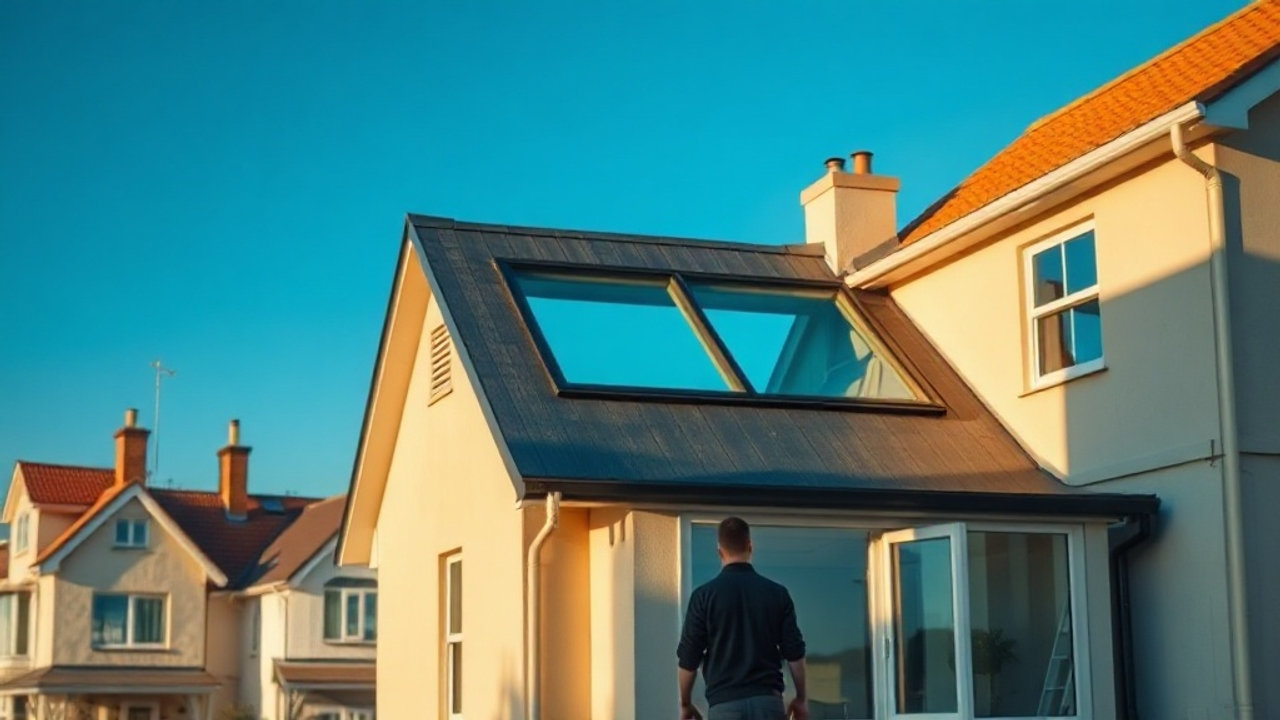
Rooflights You Can Walk On: Engineering Safe, Load-Rated Skylights for Commercial & Residential Spaces
Discover durable walk-on rooflights designed to support foot traffic while maximizing natural light—engineered for warehouses, retail, and modern facilities
Skylights & Rooflights provides premium solutions including rooflights you can walk on. Walk-on rooflights, often referred to as walkable skylights or roof access lights, are innovative glazing system
What Are Walk-On Rooflights? Understanding Walkable Skylights & Load Ratings
Skylights & Rooflights provides premium solutions including rooflights you can walk on. Learn more about rooflights you can walk on. Walk-on rooflights, often referred to as walkable skylights or roof access lights, are innovative glazing systems designed to combine structural integrity with the allure of natural light. These advanced solutions allow individuals to safely traverse roofs while enjoying the illuminating benefits of sunlight. Built to withstand varying weights, walk-on rooflights generally support loads from 40 to 100 lbs per square foot, making them suitable for environments where foot traffic is frequent. Their ability to provide safety and style has made them a sought-after feature in both commercial and residential projects. For those looking for a seamless blend of utility and aesthetics, consider the premium walk-on rooflights engineered for your facility, offering both safety and a striking visual appeal. The installation of these unique rooflights can transform ordinary spaces into vibrant areas filled with natural light, all while ensuring that the structural integrity of the roofing system is maintained. In many applications, such as warehouses and modern homes, they serve a dual purpose; illuminating interiors and providing safe access for maintenance or recreational use. As highlighted by the International Code Council - Building Code Standards, ensuring that your installations meet necessary load ratings is crucial for safety and compliance.
Walk-On Rooflight Materials: Polycarbonate vs. Laminated Glass vs. Acrylic
The materials used in walk-on rooflights play a pivotal role in their performance and functionality, with each option offering distinct attributes. Polycarbonate is often favored for its impressive strength and resistance to impact. This lightweight material can withstand harsh weather conditions while allowing vibrant light to enter your space. Alternatively, laminated glass, known for its superior optical clarity and aesthetic appeal, provides an elegant solution. With a robust composition made from two or more layers, it enhances security and can withstand significant loads. Finally, acrylic offers a balance between affordability and functionality, being lightweight and flexible, making it easier to work with during installation. Choosing the right material ultimately depends on the intended application, desired aesthetic, and budget. Whether for a modern residential addition or an expansive commercial facility, selecting high-quality materials ensures the longevity and performance of your walk-on rooflights. As noted by Velux, the right choice can illuminate your space while maintaining safety standards, so it's crucial to consult with professionals who can guide you through material selection based on your unique needs. Skylights & Rooflights recommends evaluating rooflights you can walk on constructed from these materials for optimal durability.
When considering walk-on rooflights, understanding load capacity and structural safety is essential.
Most walkable skylights are designed to support loads between 40 to 100 lbs per square foot, ensuring they can withstand both human traffic and environmental factors like heavy snowfall or debris accumulation. This load rating is crucial for various applications, from residential homes needing safe roof access to commercial spaces requiring regular maintenance on rooftops. The load capacity must be verified through proper engineering assessments, taking into account not just weight but also thermal expansion and contraction that may impact integrity over time. Ensuring compliance with established safety standards is paramount for any installation. This includes reviewing regulations set forth by organizations like the International Code Council, which provides guidelines to ensure proper structural performance. Homeowners and architects alike must prioritize safety by choosing quality products and installation practices that adhere to these rigorous standards. Additionally, investing in walk-on rooflights that meet or exceed the load specifications gives peace of mind, knowing the roofing structure is resilient and reliable in various scenarios.
Walk-on rooflights have gained popularity across various sectors due to their versatility and practical applications. In commercial settings, they are ideal for environments frequently requiring access, such as manufacturing facilities and warehouses where regular inspections are essential for operational efficiency. Their design ensures safety for workers while flooding the space with natural light, enhancing visibility and reducing energy costs. In industrial spaces, these skylights can significantly improve worker morale and productivity by creating a more inviting atmosphere. In residential applications, walk-on rooflights offer homeowners an innovative way to connect indoor and outdoor spaces; they can create stunning visual experiences on rooftops or terraces while providing safe access. Additionally, these products are a smart investment for architects aiming to integrate green building principles; they increase natural light intake, contributing to energy efficiency and sustainable living. With custom designs available, each installation can cater to specific aesthetic and functional needs. Consequently, incorporating walk-on rooflights into any structure ensures a beautiful, light-filled environment while enhancing overall safety. Property owners often select rooflights you can walk on to maximize both utility and natural illumination.
Building Code Compliance & Safety Certifications for Walkable Skylights
Ensuring compliance with building codes and safety certifications is critical when selecting walk-on rooflights for any project.
The design and installation of walkable skylights must adhere to local and national regulations to guarantee they meet essential safety standards. Often, these guidelines are established by authoritative organizations such as the International Code Council, whose standards encompass energy efficiency, load-bearing capacities, and safety features. Each walk-on rooflight should come with certifications that denote its compliance with these rigorous standards, assuring architects and homeowners alike that their installations can withstand the demands of foot traffic and environmental stressors. This commitment to quality and safety mitigates risks associated with installation errors or structural failures, which can lead to costly repairs or, worse, injuries. When evaluating potential systems for installation, it's crucial to work with reputable manufacturers who provide comprehensive certification documentation and insights on how their products meet or exceed the intricacies of building codes. Investing time into understanding these compliance elements ensures not just the safety and security of end-users, but also the long-term integrity of your structures.
Installation, Maintenance & Long-Term Care for Walk-On Rooflight Systems
Proper installation and ongoing maintenance of walk-on rooflight systems are vital for ensuring their durability and performance over time. It is often recommended to engage professionals for installation to guarantee that the skylights are set up according to engineering specifications and local codes. A well-executed installation will significantly affect the life span and functionality of these structures. Routine maintenance checks are equally important; they typically include inspecting sealants, replacing any damaged glass or acrylic elements, and ensuring the support frames remain intact and functional. Ideally, maintenance should occur at least twice a year or after severe weather conditions, as these inspections can prevent minor issues from escalating into costly repairs. Additionally, cultivating a habit of cleaning the skylights regularly will not only enhance their visual appeal but also optimize the amount of natural light they transmit. By committing to these best practices, property owners can extend the lifespan of their rooflights you can walk on and maintain peak performance throughout the year.
Walk-on rooflights are specially engineered glass panels installed in roofs to support pedestrian traffic while allowing natural light into spaces below. They suit flat roof areas where access is needed for maintenance or leisure use. Unlike standard rooflights, these units meet strict load requirements to ensure safe walking conditions. The design accounts for both concentrated foot pressure and wider distributed weights. They work in residential or commercial settings where daylight and roof access must combine without compromising safety. Professional assessment confirms suitability for each building.
Walk-on rooflights are constructed with multiple layers of toughened laminated glass to handle significant weight from foot traffic and other loads. They support both concentrated point loads from footsteps and distributed forces such as snow or equipment. Testing follows recognised standards for pedestrian use and occasional heavier demands. Frame design helps spread forces evenly across the structure. Strength varies by model, so correct specification depends on expected use and local building requirements. Regular checks maintain long-term performance.
Walk-on rooflights use toughened laminated glass for the walking surface, with interlayers that hold fragments in place if damage occurs. Frames are typically made from aluminium or steel finished for weather resistance. Seals and gaskets of rubber or silicone keep out moisture and air. Thermal breaks in the frame reduce heat transfer. All materials are chosen for durability against sun, rain and temperature swings while supporting regular pedestrian loads. The combination delivers both safety and weatherproofing in outdoor roof conditions.
Walk-on rooflights require a roof structure that can safely carry their weight plus live loads from people. They suit flat roofs with solid decks best, as these provide stable fixing points. Pitched roofs often need extra framing or custom designs to manage angles and loads correctly. A structural engineer must review the building before work begins. Waterproofing details around the perimeter remain critical on any roof type. Professional installers check compatibility to prevent future issues with drainage or movement.
Many walk-on rooflights include double or triple glazing with low-emissivity coatings and insulating gas fills to limit heat loss. These features help maintain indoor temperatures and cut energy use for heating and cooling. Frames often contain thermal breaks that further reduce heat transfer. Performance depends on the U-value of the chosen unit. Correct installation avoids drafts or leaks that would lower efficiency. In addition, they increase natural daylight, which can reduce the need for electric lighting during daytime hours.
ⓘ
Quick Reference: Skylights & Rooflights
What is it?Skylights & Rooflights provides premium solutions including rooflights you can walk on. Walk-on rooflights, often referred to as walkable skylights or roof access lights, are innovative glazing system