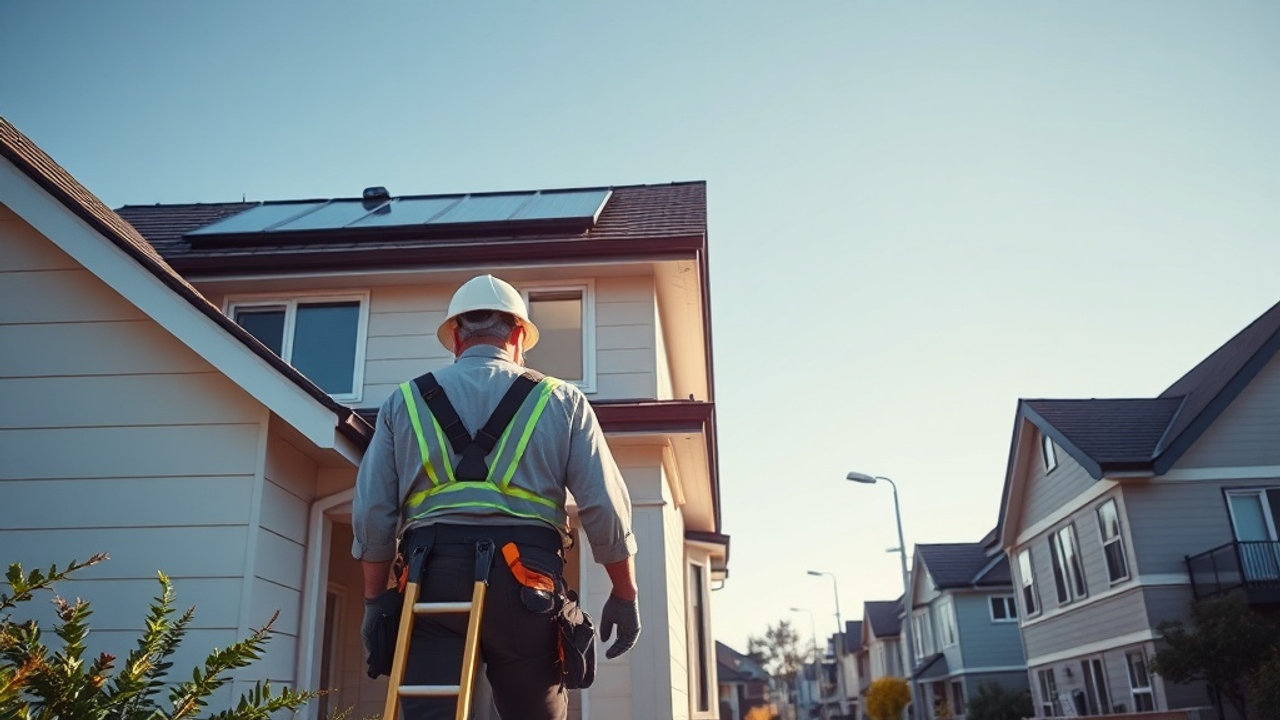
At Skylights & Rooflights, walk-on rooflights also known as walkable skylights or roof access lights are innovative glazing systems that enhance natural light in various architectural spaces while ens
Understanding Walk on Rooflights: An Introduction
At Skylights & Rooflights, walk-on rooflights also known as walkable skylights or roof access lights are innovative glazing systems that enhance natural light in various architectural spaces while ensuring safety and durability. Learn more about walk on rooflights tips. Designed specifically to bear foot traffic these products integrate robust materials like polycarbonate acrylic or laminated glass with structural support frames rated to sustain substantial loads generally ranging between 40 to 100 pounds per square foot. Such specifications are crucial to their performance and longevity. By channeling abundant daylight into commercial and residential spaces walk-on rooflights serve both aesthetic and practical purposes. Additionally they can significantly improve the energy efficiency of buildings by reducing the need for artificial lighting during daytime hours. When selecting walk-on rooflights it is vital to choose premium products that meet stringent safety standards including those set by the International Code Council. Understanding how these systems work is essential for architects and homeowners alike ensuring that proper load ratings and material specifications are adhered to while enhancing outdoor and indoor areas alike. Following walk on rooflights tips helps ensure the best results for any project.
The Importance of Load Ratings and Compliance in Walk on Rooflights
When it comes to walk-on rooflights load ratings and safety standards are paramount. These ratings define the maximum weight the rooflight can support safely without compromising structural integrity. Typically these products can handle loads ranging from 40 to 100 pounds per square foot making it essential for homeowners and architects to understand these metrics thoroughly. The integrity of walk-on rooflights is closely linked to compliance with local building codes. Depending on the project certain regulations may necessitate stringent evaluations to ensure that installed systems can withstand various environmental factors such as wind and snow load. Consulting resources from the International Code Council can be invaluable as they provide comprehensive building code standards. Furthermore material selection structural framing and installation methods play crucial roles in attaining desired load ratings. By prioritizing safety and compliance property owners can not only enhance the aesthetic appeal of their buildings but also protect the well-being of those who will interact with these rooflights regularly.
Walk on Rooflights Tips for Selecting the Right Material Type
The selection of materials for walk-on rooflights is a critical decision that significantly impacts both performance and safety.
Various options including polycarbonate acrylic and laminated glass each offer unique benefits. Polycarbonate known for its incredible strength and impact resistance is typically lighter and more affordable making it a popular choice for many commercial applications. On the other hand acrylic provides excellent transparency that rivals glass while being less costly though it may not offer the same level of durability. Laminated glass while usually the most expensive option excels in safety because it remains intact even when shattered. When choosing the right material consider the specific application load requirements and environmental factors like weather conditions. For instance structures in snowy regions may need tougher materials that can handle the added weight. As you weigh your options align your choice with both the aesthetic and functional goals of your project ensuring that the selected material enhances the overall experience of the space. Applying walk on rooflights tips ensures optimal material selection.
Effective Installation Techniques for Walk on Rooflights
Proper installation of walk-on rooflights is crucial to ensure their functionality and longevity. It is vital to follow best practices that accommodate both safety standards and the specific requirements of the materials used. Before installing conduct a thorough assessment of the roof structure to ascertain load-bearing capabilities and ensure the surface can support the rooflights without risk. Many installations begin with the placement of a structural framework that distributes weight evenly reducing localized stress on any one point. Following that it is essential to ensure that the sealing and flashing are correctly applied to prevent leaks and moisture intrusion. Properly securing the rooflight units to the framework enhances the overall stability of the installation. Additionally consider scheduling periodic inspections post-installation to monitor for any signs of wear or structural changes. By adhering to these installation practices not only do you maximize the performance of your walk-on rooflights but you also increase the lifespan of the product making it a smart investment in your property.
Navigating Local Building Codes for Walk-on Rooflight Installations
Compliance with local building codes is not just a recommendation it is a legal necessity that ensures safety and functionality in construction projects.
When installing walk-on rooflights professionals must familiarize themselves with both state and local guidelines that govern these installations. This familiarity helps in avoiding potential fines or project delays due to non-compliance. Various jurisdictions may have differing requirements affecting load ratings or the types of materials allowable. Moreover specific installation guidelines can dictate how structural elements are integrated with walk-on rooflights. Engaging with local building authorities or consulting experts in the field can provide crucial insights and clarity regarding compliance requirements. Furthermore guidelines from the International Code Council can assist in navigating the complexities of construction codes. By ensuring that your project adheres to local regulations you bolster the safety and reliability of your walk-on rooflights paving the way for a successful installation that stands the test of time.
Maintaining Walk-on Rooflights: A Guide to Safety and Performance
Maintaining walk-on rooflights is essential to ensure their safety and performance over time. Regular upkeep not only prolongs the life of these installations but also enhances their efficiency in providing natural light. A good starting point for maintenance involves routinely inspecting the structural framework and glass surfaces for any signs of wear discoloration or damage. Keeping the surfaces clean is equally important as dirt or debris can obstruct light transmission and create safety hazards. Use appropriate cleaning agents to avoid scratching or damaging the glass. Additionally it is advisable to check seals gaskets and flashing for signs of deterioration since compromised seals can lead to leaks or moisture buildup which can significantly affect performance. In areas prone to heavy weather more frequent inspections may be necessary. Establish a seasonal maintenance schedule to ensure that everything from the structural integrity to the aesthetic appeal of your rooflights remains intact. By prioritizing maintenance you not only extend product life but also maintain safety standards effectively.
Skylights & Rooflights — walk on rooflights tips detail
Readers seeking deeper background may consult NIST and Wikipedia for independent reference material.
Frequently Asked Questions
Walk-on rooflights are durable skylights engineered specifically for areas where people will walk or stand on them. Unlike regular skylights, they feature thick, tempered or laminated glass panels that withstand significant loads. These units suit flat roofs on residential or commercial buildings, turning unused roof space into functional areas like decks or walkways while bringing daylight indoors. They often include anti-slip coatings and are sealed tightly against weather. Choosing the right load rating matters based on expected use, such as occasional maintenance access or regular foot traffic. Professional installation is essential to maintain structural integrity and prevent water ingress.
Selecting a walk-on rooflight starts with measuring the available roof space and determining the desired light entry. Size affects both illumination and structural demands. Materials play a key role; look for laminated glass with high impact resistance and frames made from aluminum or stainless steel for durability. Weight capacity must match the intended use, whether for occasional access or daily traffic. Check local building codes for load requirements. Consider insulation properties to avoid heat loss. Consult load specifications from manufacturers and ensure the product carries appropriate safety certifications. Professional advice helps match the unit to your specific roof and usage needs.
Walk-on rooflights can improve a building's energy efficiency when chosen with proper insulation features. Double or triple glazing with low-emissivity coatings reduces heat transfer through the roof. This helps maintain indoor temperatures, lowering heating costs in winter and cooling expenses in summer. Some models include thermal breaks in frames to minimize condensation and energy loss. Proper sealing during installation prevents drafts. Over time, these features cut overall energy use compared to older, single-pane options. Selecting units with high thermal performance ratings ensures they contribute positively rather than becoming weak points in the building envelope.
Walk-on rooflights need routine care to stay safe and effective. Clean the glass surface regularly with mild soap and water to remove dirt, leaves, and debris that could reduce light transmission or create slip hazards. Inspect seals and frames at least twice a year for signs of wear, cracks, or water intrusion. Check for any damage from heavy use or weather exposure. Avoid harsh chemicals that might degrade coatings. Professional inspections every few years help identify structural issues early. Keeping the surrounding roof clear supports drainage and prevents pooling water near the edges.
Walk-on rooflights provide a safe walking surface when installed to correct standards. They use reinforced materials rated for specific loads, such as the weight of one or more people. Non-slip textures on the top reduce fall risks, especially in wet conditions. Safety depends on proper engineering, including secure fixing to the roof structure and compliance with building regulations. Regular inspections confirm ongoing integrity. Users should avoid exceeding the stated load limits and steer clear of damaged units. With correct specification and maintenance, these rooflights support safe access without compromising the building's weather protection.
ⓘ
Quick Reference: Skylights & Rooflights
What is it?At Skylights & Rooflights, walk-on rooflights also known as walkable skylights or roof access lights are innovative glazing systems that enhance natural light in various architectural spaces while ens