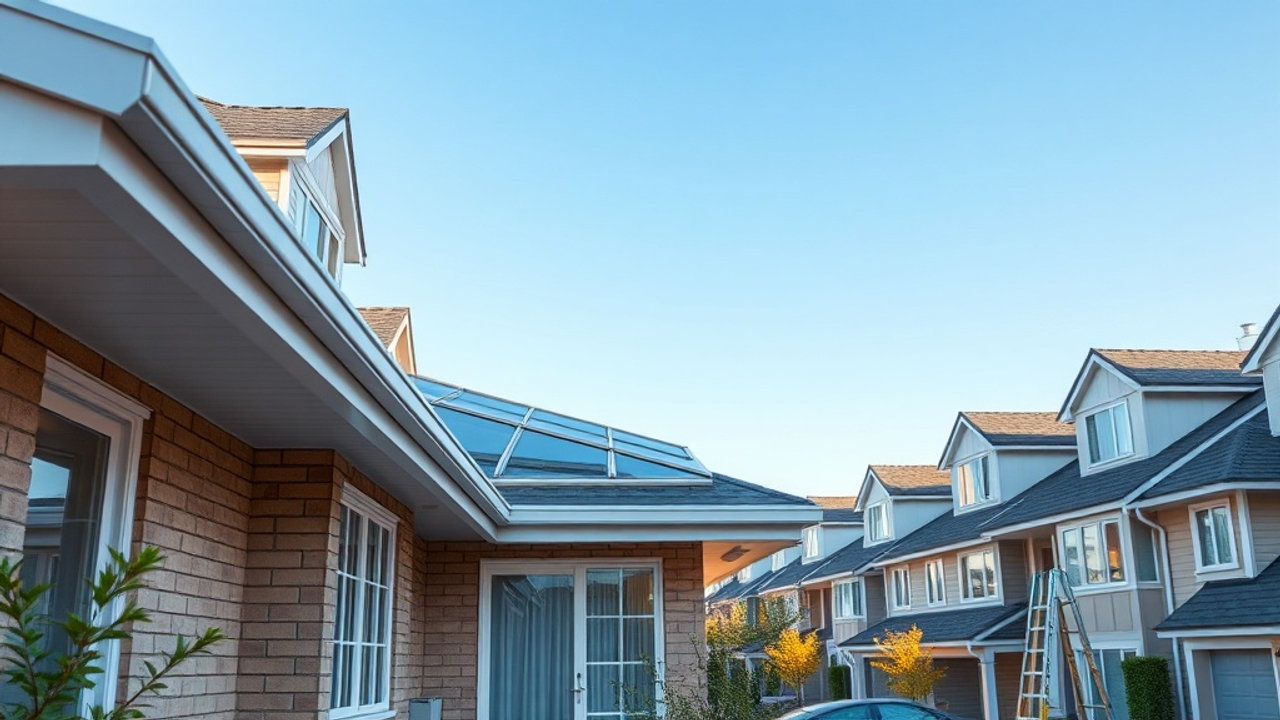
Skylights & Rooflights specializes in premium glazing solutions including walk-on rooflights. Walk-on rooflights, also referred to as walkable skylights or roof access lights, are innovative glazing s
What Are Walk-On Rooflights and How Do They Work?
Skylights & Rooflights specializes in premium glazing solutions including walk-on rooflights. Walk-on rooflights, also referred to as walkable skylights or roof access lights, are innovative glazing systems that combine safety, utility, and aesthetics. Engineered for durability, these products are built to support foot traffic while allowing a generous flow of natural light into your space. They serve as an ideal solution for homeowners and architects aiming to enhance the utility of roof areas, outdoor spaces, or any environment requiring both natural illumination and safe access. Typically, walk-on rooflights are comprised of high-quality materials such as polycarbonate, acrylic, or laminated glass, all designed to withstand significant weight loads—often rated between 40 to 100 lbs per square foot. When installed, they not only bring sunlight into otherwise dark areas but also facilitate safe access for maintenance or leisure activities. The frames of these rooflights are fortified for extra support, ensuring durability and safety while meeting stringent building code standards.
Walk-On Rooflights vs. Standard Skylights: Key Differences
While both walk-on rooflights and standard skylights serve the essential function of allowing natural light into a structure, their designs cater to distinctly different needs. Learn more about walk on rooflights solutions. Standard skylights typically focus solely on light transmission without the provision for foot traffic. In contrast, walk-on rooflights are specifically engineered to bear weight and withstand physical pressure. This distinction not only influences their construction but also their applications. For example, standard skylights might be suitable for residential properties where light is needed, whereas walk-on rooflights are often integrated into commercial, industrial, or modern residential designs that demand dual functionality. In terms of aesthetics, while both options can be crafted to fit various architectural styles, walk-on rooflights offer the added benefit of creating usable space on rooftops for gardens, patios, or recreational areas. Furthermore, safety is a fundamental aspect where walk-on rooflights excel, as they undergo rigorous testing to ensure proper load ratings, providing homeowners and architects with confidence in their durability and safety. Understanding these differences can help you choose the ideal walk on rooflights solutions for your facility.
Material Types: Polycarbonate, Acrylic, and Laminated Glass Options
When it comes to selecting walk-on rooflights, the choice of materials plays a crucial role in their performance and longevity.
Common options include polycarbonate, acrylic, and laminated glass, each offering distinct advantages. Polycarbonate is known for its impressive impact resistance and ability to transmit light, making it a robust choice for many applications. In addition, polycarbonate is lighter than glass, which can reduce structural loads, making it an efficient option for certain designs. Acrylic also provides excellent light transmission and is more affordable than laminated glass, though it may not be as durable. On the other hand, laminated glass offers enhanced safety due to its layered construction, which holds shards together in case of breakage, thus minimizing the risk of injury and making it suitable for high-traffic areas. By leveraging these material options, you can tailor your choice of walk on rooflights solutions for your facility to meet both aesthetic preferences and functional requirements. Choosing the appropriate material not only contributes to the overall look but also significantly affects the rooflight's operational capability and safety.
Load Ratings and Safety Certifications for Walkable Rooflights
Safety is a paramount concern when it comes to walk-on rooflights, and understanding load ratings is essential for any potential installation. These products are rigorously tested to meet specific load capacities that can range from 40 to 100 lbs per square foot under typical conditions. Such ratings ensure that the rooflights can safely accommodate foot traffic without compromising structural integrity. Alongside load ratings, safety certifications from authoritative organizations, such as the International Code Council, underscore the importance of these features. These certifications indicate that the walk-on rooflights comply with stringent building codes and safety standards, offering peace of mind to homeowners and architects alike. Furthermore, many manufacturers provide additional resources and certifications to demonstrate the reliability of their products. Meticulous research and consultation with professionals during installation are crucial to ensure compliance with local building codes and regulations. By prioritizing load ratings and safety certifications, you can make an informed decision, ultimately protecting both your investment and the individuals who use these vital additions to your living or working spaces.
Commercial and Industrial Applications for Structural Glass Rooflights
Walk-on rooflights are highly versatile, finding applications in various commercial and industrial sectors.
These solutions are particularly beneficial in environments such as warehouses, manufacturing facilities, and retail spaces. As an example, in warehouses, walk-on rooflights can facilitate natural lighting that reduces reliance on artificial lights, thereby fostering an eco-friendly operational approach. Moreover, they offer safe access points for maintenance personnel to perform roof inspections without jeopardizing safety. In retail spaces, the aesthetic appeal of walk-on rooflights can enhance the shopping experience while also providing functional benefits. Modern homes are tapping into this technology for stylish rooftop gardens or lounges. Design professionals appreciate how these rooflights seamlessly blend natural elements into their designs, creating spaces that are both functional and visually striking. With the ongoing emphasis on sustainability, incorporating walk-on rooflights into various projects allows for innovative strategies that align with eco-friendly practices while maximizing space utilization.
Building Code Compliance and Local Installation Requirements
Ensuring compliance with building codes and local installation requirements is a critical step in the process of integrating walk-on rooflights into your architectural plans. Each region may have its own stipulations regarding weight capacities, materials, and installation methods. The International Code Council sets forth guidelines that are essential in determining how these products should be implemented safely and effectively. Working closely with local authorities ensures that you are adhering to these regulations, thus safeguarding against potential legal issues or safety hazards. Moreover, taking the time to research and understand local installation requirements can be beneficial for project success. Professionals at Skylights & Rooflights recommend verifying all specifications before procurement. Proper planning helps avoid delays and ensures that walk on rooflights solutions for your facility meet every safety and regulatory standard while delivering long-term performance and value to property owners.
Walk on rooflights are transparent structures installed in roofs or floors to allow safe pedestrian traffic while letting natural light pass through. They create usable walkways on rooftops and mezzanines without blocking daylight to spaces below. These units are engineered to handle foot traffic and weather loads. Builders use them in commercial and residential projects where both access and illumination matter. They replace solid roofing sections in areas that need visibility or light. When specified correctly, they support regular use by people while maintaining structural performance over time.
Walk on rooflights are typically made from reinforced glass or polycarbonate panels chosen for strength and durability. Laminated glass with multiple layers provides impact resistance and prevents shattering under load. Polycarbonate options offer lighter weight and good clarity while resisting weather damage. Both materials are framed in aluminum or steel supports that transfer weight to the building structure. Manufacturers add non-slip coatings to the top surface. The choice of material depends on required load ratings, span, and exposure to sun or foot traffic in the specific installation.
Walk on rooflights improve building design by increasing natural light in interior spaces while providing safe rooftop access. They allow architects to create open walkways without adding solid decking that would block daylight. This reduces reliance on artificial lighting during daytime hours and opens up usable outdoor areas on flat roofs. The transparent sections connect indoor and outdoor environments visually. They support modern layouts that value daylight and roof terraces. When integrated early in planning, they help meet daylight targets without sacrificing circulation space or structural safety.
Many walk on rooflights include thermal insulation properties that help improve energy efficiency. Double or triple glazed units with low-emissivity coatings reduce heat loss in winter and limit solar gain in summer. Insulated frames further minimize thermal bridging around the edges. These features allow daylight to enter without large increases in heating or cooling demand. Projects that install them often report lower lighting energy use because interior spaces stay brighter longer. Proper specification of U-values and solar heat gain coefficients ensures the units contribute to overall building performance rather than working against it.
Safety features for walk on rooflights include slip-resistant surfaces, structural load ratings, and secure framing systems. The top surface must provide reliable grip in wet or dry conditions to prevent falls. Glass or polycarbonate panels need to be rated for the expected pedestrian loads plus any maintenance equipment. Edge barriers or handrails may be required depending on location and height. Installation must follow local building codes for fall protection and impact resistance. Regular inspections check for seal integrity and frame corrosion to maintain long-term safety performance.
ⓘ
Quick Reference: Skylights & Rooflights
What is it?Skylights & Rooflights specializes in premium glazing solutions including walk-on rooflights. Walk-on rooflights, also referred to as walkable skylights or roof access lights, are innovative glazing s