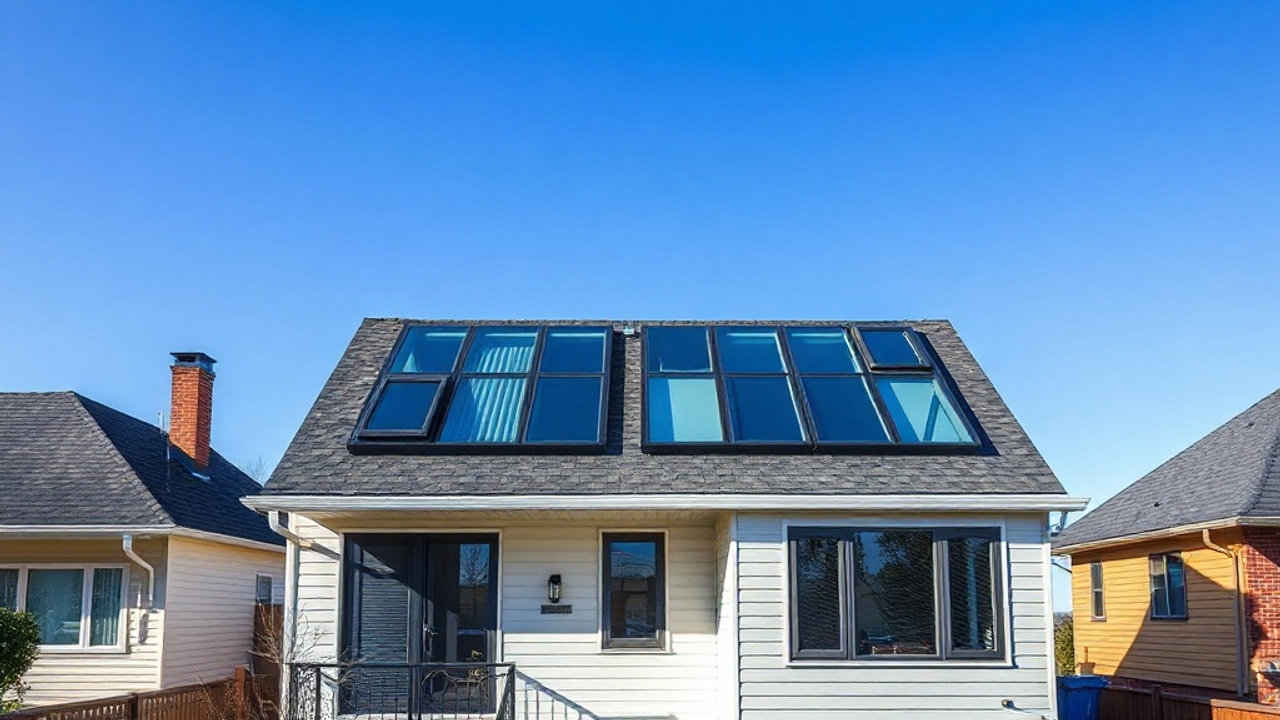
Understanding Walkable Skylights: Functionality and Design
At Skylights & Rooflights we specialize in walk-on rooflights also known as walkable rooflights or roof access lights. These sophisticated glazing systems are engineered to endure foot traffic while permitting natural light to permeate indoor spaces. Unlike standard skylights these architectural features combine safety with aesthetic appeal. By utilizing robust materials such as polycarbonate laminated glass or acrylic walk-on rooflights can support significant weight often rated for loads between 40 to 100 lbs per square foot. This means they can effortlessly bear the weight of individuals walking across them providing peace of mind to homeowners and architects alike. The engineering behind these rooflights incorporates a sturdy support frame allowing them to integrate seamlessly into architectural designs while providing a source of natural illumination. Integrated correctly walk-on rooflights can merge with surrounding roofing materials creating a cohesive and functional look. Not only do they enhance the beauty of any space but they also introduce functional benefits such as energy efficiency and reduced reliance on artificial lighting during daylight hours.
Understanding Load Capacity and Safety Standards in Walk-On Rooflights
When selecting walk-on rooflights understanding load ratings and safety standards is paramount. Learn more about walkable rooflights. These skylights must comply with rigorous specifications to ensure they can safely support foot traffic. Typically rated between 40 and 100 lbs per square foot these products are engineered to meet the demands of both residential and commercial applications. Safety standards governed by reputable organizations such as the International Code Council are crucial in determining the product reliability. The ICC provides detailed guidelines that manufacturers must follow ensuring that walk-on rooflights not only meet but exceed prevailing safety requirements. A proper installation by certified professionals ensures that. Furthermore understanding the load ratings assists architects and builders in making informed decisions that enhance structural integrity and user safety. By prioritizing these standards homeowners and builders can invest in walk-on rooflights that support foot traffic safely while meeting all regulatory expectations for long term performance and reliability.
Choosing the Right Material: Polycarbonate Glass or Acrylic for Walkable Skylights
The choice of materials for walk-on rooflights significantly influences their performance safety and visual appeal.
Three leading materials are polycarbonate laminated glass and acrylic. Polycarbonate stands out due to its high impact resistance and lightweight nature making it an excellent choice for commercial and industrial applications where durability is crucial. Conversely laminated glass offers unparalleled aesthetic appeal and can be manufactured with various decorative patterns or coatings elevating the design of any space. Its robust composition provides excellent thermal performance and sound insulation while maintaining high visibility. Acrylic while slightly less durable than polycarbonate or laminated glass presents a cost effective alternative without compromising on transparency. Your choice should be influenced by the specific application budgetary constraints and particular safety standards to be adhered to. Incorporating walkable rooflights ensures that the chosen material aligns with both functional and design expectations for years of reliable service.
Uses of Walk-On Rooflights in Commercial Spaces: From Warehouses to Retail Locations
Walk-on rooflights are increasingly being integrated into various commercial settings transforming how businesses utilize their roof spaces. For example warehouses benefit from these structures that can facilitate safe access to rooftop areas while enhancing overall lighting efficiency. This natural light not only reduces reliance on artificial lighting but also contributes to a more productive work environment. Similarly in retail establishments walk-on rooflights serve a dual purpose. They allow store employees to access roof spaces easily and provide customers with a uniquely inviting atmosphere enriched by natural light. In industrial settings incorporating walk-on rooflights can improve safety and accessibility allowing personnel to inspect and maintain equipment while enjoying the benefits of sunlight. The versatility of walk-on rooflights enables them to cater to diverse applications enhancing the operational efficiency of commercial and industrial spaces alike. Such adaptability is a testament to their broad appeal attracting homeowners and architects keen on optimizing both function and aesthetics in their projects.
Navigating Building Codes and Local Regulations for Walk-On Rooflights
Before installing walk-on rooflights it is essential to consider building code compliance and regional installation requirements.
Local building codes vary significantly and adherence to these regulations is critical for ensuring structural integrity and occupant safety. For homeowners and builders understanding these codes delineates the necessary specifications regarding load capacities safety ratings and installation methods. Engaging with local permitting authorities or building inspectors early in the planning process can help streamline compliance with all regulations. Building codes in different areas typically possess unique stipulations regarding walkable skylights requiring a detailed examination of documentation to ensure adherence. Additionally it is important to work with certified installers who are familiar with these standards and can ensure that walk-on rooflights are correctly integrated into your existing structure. Ensuring adherence to local codes guarantees that the installation is safe and secure while reducing the risk of future costly modifications or penalties.
Professional Installation Services for Walkable Rooflights: Ensuring Quality and Safety
Opting for professional installation services for walk-on rooflights ensures quality safety and adherence to code requirements. Skilled professionals have the necessary knowledge and skills addressing the unique challenges associated with integrating these rooflights into various structures. They are trained to evaluate site conditions select appropriate materials and execute installations that meet or exceed industry standards. Professional teams also handle permitting documentation and coordinate with inspectors to verify compliance at every stage. Choosing experienced contractors reduces the likelihood of leaks structural issues or code violations that could arise from improper work. Homeowners and facility managers benefit from warranties and ongoing support that accompany professional service. Ultimately partnering with qualified installers delivers peace of mind that walkable rooflights will perform reliably under foot traffic while maximizing natural light and maintaining building integrity for the long term.