The Complete Biltong Packaging Guide: Solutions for South African Producers
Expert strategies for maintaining freshness, compliance, and shelf appeal with vacuum-sealed and resealable biltong packaging options in Vereeniging and Gauteng
VaalPac understands that when it comes to preserving the essence of biltong, reliable packaging is not just a necessity; it is a priority. Proper packaging plays a vital role in maintaining the freshn
Biltong Packaging Guide: Why Quality Packaging Matters for Product Longevity
VaalPac understands that when it comes to preserving the essence of biltong, reliable packaging is not just a necessity; it is a priority. Proper packaging plays a vital role in maintaining the freshness, flavor, and overall quality of the product over time. Without the right protection, biltong could easily fall victim to moisture, air, and contaminants, which may lead to spoilage. Therefore, choosing the appropriate packaging is essential for both seasoned producers and newcomers in the market. Moreover, with South African food safety standards governing food products, it is crucial to opt for packaging that meets these specifications, ensuring your product remains safe and appealing. Many business owners overlook the impact of packaging design, which can include everything from structural integrity to branding aspects. High-quality packaging not only secures the product but also enhances visual appeal, attracting potential customers. For comprehensive options in this biltong packaging guide, explore premium biltong packaging solutions, which provide a versatile array of choices tailored to fit various branding needs. Thus, investing in exceptional packaging is an investment in the product's legacy, ultimately fostering consumer trust and satisfaction.
Types of Biltong Bags: Vacuum-Sealed vs Resealable Pouches and Foil Packaging
When navigating through the realm of biltong packaging, understanding the different types of bags available can significantly affect product quality and market success. Learn more about biltong packaging guide. Vacuum-sealed bags are often regarded as the most effective choice due to their ability to keep moisture out, thereby extending shelf life. This method involves removing air from the packaging, which minimizes the opportunity for bacteria and odors to compromise the biltong’s integrity. On the other hand, resealable pouches offer convenience to consumers who desire to enjoy their snack over multiple sessions while maintaining freshness. These allow easy access without needing to consume the entire package at once. Foil packaging stands as another effective solution, often used in conjunction with vacuum-sealing or resealable capabilities. Its reflective surface further protects the contents from light, which can degrade flavor over time. Each option presents unique advantages, and the best choice often depends on your target market. Understanding consumer preferences is crucial; therefore, being aware of the product format that resonates best with your audience can drive sales and brand loyalty in an increasingly competitive environment.
Biltong Packaging Solutions: Best Practices for FSANZ Food Safety Compliance
Adhering to FSANZ food safety standards is a non-negotiable aspect of any biltong producer's strategy.
Ensuring compliance not only protects you from potential legal ramifications but also builds customer trust. The best practices for maintaining food safety begin with selecting the right materials for your packaging. Materials must be food-grade and free from harmful chemicals that could leach into the product. Additionally, employing modern technology in sealing processes can further fortify packaging integrity, preventing leaks and contamination. Effective labeling plays an equally important role; clear ingredient lists, expiration dates, and storage instructions contribute to an informed consumer experience. Regular evaluations of packaging methods against FSANZ guidelines can help in sustaining compliant operations. Furthermore, local organizations such as the South African Packaging Association serve as invaluable resources, providing insights and updates on best practices within the industry. As a producer, investing time and resources in robust packaging solutions not only ensures compliance but also elevates your brand reputation, ultimately leading to better market performance.
Biltong Packaging Benefits: Shelf-Life, Branding, and Consumer Appeal
The advantages of investing in proper biltong packaging are manifold, encompassing aspects of shelf-life, branding, and consumer appeal. Foremost, packaging directly influences a product's longevity, ensuring that each mouthful of biltong remains as flavorful as the day it was packaged. Effective packaging techniques, such as vacuum sealing, are key to achieving optimal freshness, ultimately leading to repeat purchases. However, the benefits extend beyond just preservation. Well-designed packaging acts as a silent salesperson, capturing attention on store shelves and enticing potential customers. Distinct branding elements, including unique graphics and thoughtful design, convey a story about the product and its origins, allowing businesses to forge stronger connections with their audience. This emotional engagement can enhance loyalty and encourage customers to choose your product over competitors. Additionally, consumer trends increasingly favor eco-friendly packaging solutions, appealing to environmentally conscious shoppers. Therefore, balancing functionality with aesthetics is paramount; it not only satisfies practical needs but enriches the overall consumer experience, addressing both taste and visual motivations.
Biltong Packaging Tips: Custom Branding and Professional Product Photography
In the competitive landscape of food production, biltong packaging offers a potent platform for custom branding and marketing strategies to shine.
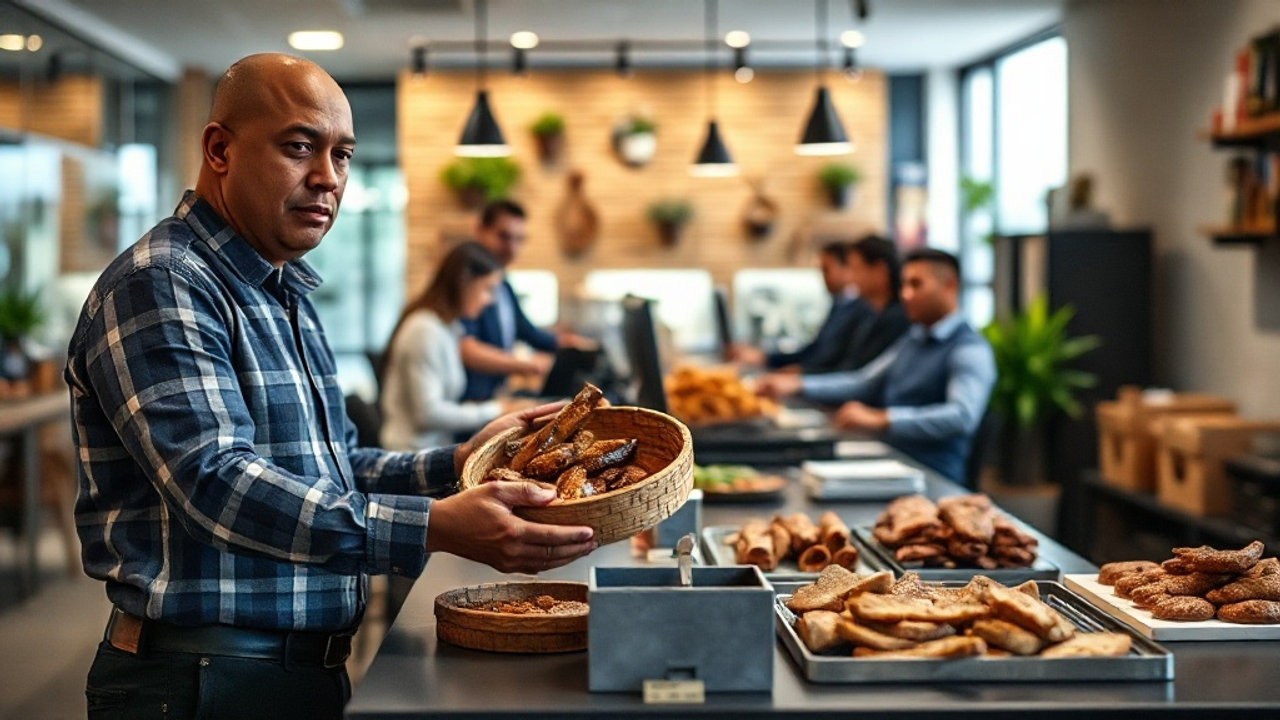
Investing in professional product photography can dramatically improve how your packaging is perceived; high-quality images showcasing your biltong can evoke appetite and desirability. Photographs should focus on the textural qualities of the meat, as well as the packaging itself, enabling potential consumers to visualize a delightful experience. Additionally, creating an eye-catching design that reflects your brand’s personality goes a long way in differentiating your products from competitors. Custom branding is not merely about having a logo; it is an opportunity to tell a story and create an emotional connection with your audience. From choosing colors that resonate with your target market to selecting fonts that convey your brand's voice, each element contributes to brand recognition and recall. Trained designers can assist in achieving a cohesive look across your packaging, ensuring that everything from the colors to the materials are aligned with your identity. Ultimately, presentation is a crucial part of any biltong business, and thoughtful packaging design combined with stunning visuals can lead to increased sales.
Finding Biltong Packaging Services in Vereeniging: Local Suppliers and Manufacturers
Vereeniging, being a significant industrial hub in Gauteng, offers a wealth of opportunities for sourcing quality biltong packaging services. The region boasts an array of local suppliers and manufacturers equipped to meet diverse biltong packaging needs. Engaging local businesses not only reduces shipping costs but also supports the local economy, creating a win-win situation for all parties involved. Researching potential partners can involve visiting local trade shows or industry events, allowing you to compare offerings firsthand. Establishing a personal connection with suppliers can lead to bespoke services tailored to meet specific requirements, enhancing the overall packaging experience. Another important aspect to consider is their proximity to your production facility. Working with local manufacturers can streamline logistics and reduce lead times, ultimately improving the efficiency of your supply chain. Additionally, leveraging local expertise can contribute to greater innovation in packaging design and materials, giving your biltong a competitive edge. Collaborating with nearby businesses paves the way for long-lasting partnerships that benefit the entire biltong packaging guide process from start to finish.
Biltong is a dried meat product that needs protection to remain safe and enjoyable. Packaging keeps it fresh by limiting exposure to air, light, and humidity. Without it, moisture can enter and cause mold or spoilage, wasting the product. Strong packaging also blocks contaminants and helps maintain the original flavor and texture. This matters for both home storage and commercial distribution, where consistent quality builds customer trust. Proper packaging reduces waste and ensures the biltong stays within safe moisture levels for longer periods.
Vacuum-sealed pouches work well because they remove air and create a tight barrier against moisture. Breathable bags suit certain styles of biltong that need limited airflow to avoid sweating. Both options come in food-grade plastics or laminates designed for dried meats. The choice depends on whether the biltong is fully dried or still has some moisture content. Reliable materials prevent oxygen transfer and protect against light damage. Selecting the right material keeps the product stable during transport and on the shelf.
Good packaging extends shelf life by keeping moisture out and limiting oxygen contact. Biltong stays stable longer when humidity cannot reach the meat, reducing the risk of mold. Vacuum seals or barrier films maintain low water activity, which is essential for preservation. Poor packaging allows air and light in, speeding up spoilage and flavor loss. Commercial products often use multi-layer materials to achieve several months of safe storage. Consistent protection from the environment directly determines how long the biltong remains usable without refrigeration.
Sustainable materials such as compostable films and paper-based laminates with barrier coatings are available. These options reduce plastic waste while still protecting against moisture and oxygen. Some use plant-derived polymers that meet food safety standards for dried meats. Businesses can choose recyclable or biodegradable pouches without sacrificing shelf life when the right specifications are met. Eco-friendly packaging supports lower environmental impact and meets growing customer demand for responsible choices. Testing ensures these materials perform as well as traditional ones for biltong storage.
Biltong packaging comes in multiple sizes to match different needs. Small pouches hold single servings for retail or snacks. Medium bags suit family portions or short-term storage. Larger vacuum packs work for bulk sales or longer shelf life requirements. Sizes range from 50 grams up to several kilograms depending on the supplier. Matching the package size to the portion prevents repeated opening and air exposure, which helps maintain quality. Clear size options also support efficient inventory management and reduce product waste for both sellers and buyers.
ⓘ
Quick Reference: VaalPac
What is it?VaalPac understands that when it comes to preserving the essence of biltong, reliable packaging is not just a necessity; it is a priority. Proper packaging plays a vital role in maintaining the freshn