Landscape Design San Diego Guide: Creating Water-Smart, Native-Plant Spaces
Expert strategies for designing beautiful, drought-tolerant landscapes that thrive in San Diego's Mediterranean climate while maximizing water efficiency and local compliance
ARC Design Landscape specializes in creating outdoor environments that thrive in San Diego conditions. In San Diego, the significance of landscape design cannot be overstated. Given the region's Medit
Why Landscape Design Matters in San Diego's Climate
ARC Design Landscape specializes in creating outdoor environments that thrive in San Diego conditions. In San Diego, the significance of landscape design cannot be overstated. Given the region's Mediterranean climate, characterized by warm, dry summers and mild, wet winters, achieving a balanced environment is crucial. Thoughtful landscape design not only enhances the visual appeal of properties but also plays a vital role in sustainability. Homeowners and commercial clients alike must consider water-efficient landscaping solutions to adapt to the local climate. Incorporating thoughtfully arranged landscaping elements can help manage rainfall runoff, minimize water use, and support local biodiversity. In fact, leveraging native plants like California buckwheat and toyon can provide ecological benefits and reduce maintenance costs. For those looking to elevate their landscape, accessing professional landscape design services can offer tailored planning and implementation. This ensures that every project can face the unique challenges posed by the San Diego environment. As the San Diego Landscape Stewards highlight, it's not just about aesthetics; it is about creating harmonious outdoor spaces that align with California's water conservation goals. Explore how to optimize your landscape's potential as you navigate the rewarding journey of transforming outdoor spaces. This Landscape Design San Diego guide shows proven methods for success.
Understanding San Diego County's Mediterranean Environment
Recognizing the nuances of San Diego County's Mediterranean environment is essential for successful landscape design. This region experiences a distinct pattern of wet winters and dry summers, creating a unique context for what thrives here. Understanding these climatic conditions allows designers and homeowners to make informed choices. This awareness leads to the selection of plants that can withstand drought and conserve water. Incorporating native flora into designs not only promotes environmentally friendly practices but also enhances the landscape's compatibility with the local ecosystem. Furthermore, local species are often more resilient and require less ongoing maintenance. The California Department of Water Resources emphasizes the importance of implementing landscape water use efficiency measures, such as creating zones for irrigation and selecting appropriate planting materials. Strategic planning can help in managing water resources effectively while still achieving a stunning outdoor aesthetic. When homeowners embrace the unique characteristics of San Diego’s climate, they contribute to broader ecological goals and enhance the longevity and sustainability of their landscapes. The Landscape Design San Diego guide emphasizes matching plants to microclimates for best results.
Native California Plants for Water-Efficient Landscape Design
Emphasizing the use of native California plants in landscape design promotes both aesthetic appeal and water efficiency.
Native species such as California buckwheat, toyon, and sage have evolved to thrive in our local conditions, making them ideal selections for homeowners in San Diego. These plants not only enhance the landscape but also provide essential ecological benefits. They offer habitats for local wildlife while reducing the need for supplemental irrigation, thus aligning perfectly with the water-saving measures that are crucial in this Mediterranean climate. Incorporating these plants fosters local biodiversity and strengthens the emotional connection home and business owners have with their landscapes. By embracing native plants, individuals can enjoy vibrant gardens that reflect their environment while minimizing long-term maintenance and expense. As water costs rise and climate change impacts grow more evident, choosing native plants becomes a profound commitment towards sustainability. Moreover, landscaping projects that prioritize these ecological approaches resonate with the growing trend of environmentally responsible living.
Hardscape Options: Patios, Retaining Walls, and Outdoor Living Spaces
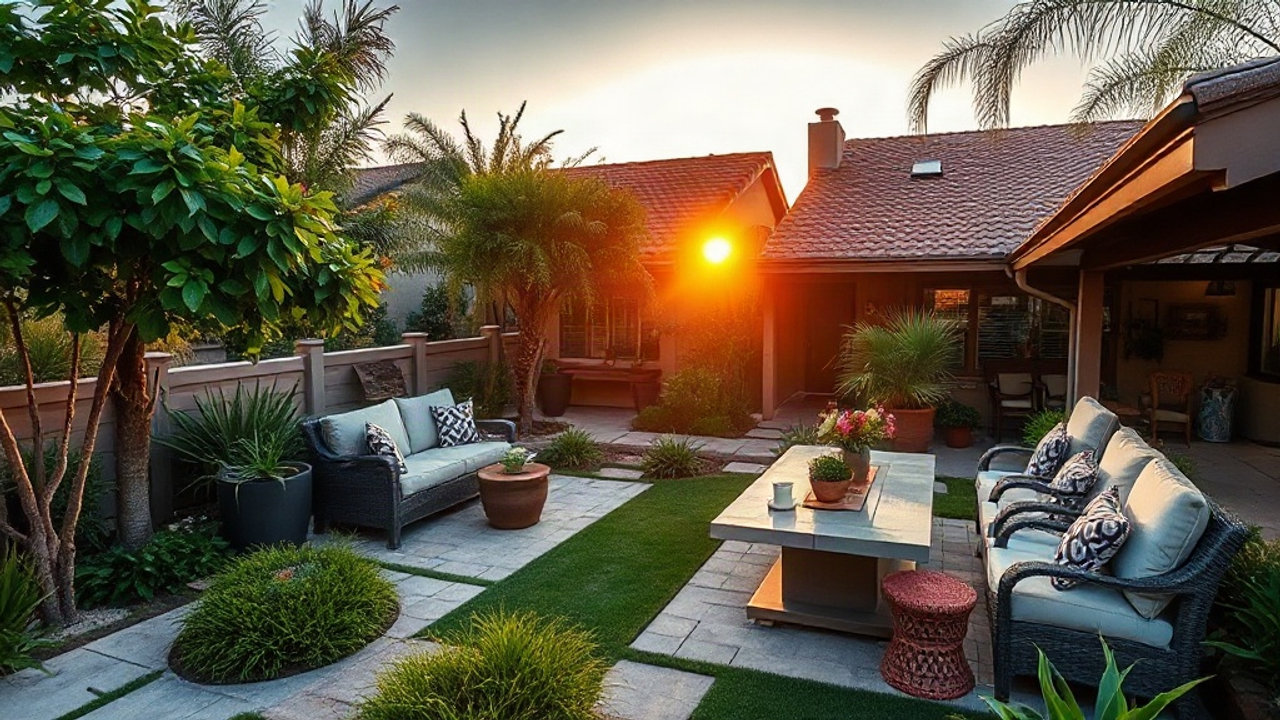
When considering landscape design, hardscape elements like patios, retaining walls, and outdoor living spaces are critical. These structures provide functional utility, enhance aesthetic appeal, and expand the usability of outdoor areas. San Diego's climate allows for year-round outdoor enjoyment, making the integration of inviting patios an excellent choice for many homeowners. Imagine entertaining guests or enjoying family dinners under a starry sky, all thanks to well-designed hardscape features. Retaining walls, in particular, can serve essential purposes, such as controlling soil erosion and creating level planting areas on sloped properties. Moreover, utilizing durable materials for these structures, such as stone or stamped concrete, not only improves longevity but also adds character and elegance to the design. Homeowners can create cohesive outdoor spaces that blend seamlessly with the surrounding natural environment. Investing in well-executed hardscaping projects can yield significant returns, increasing property value and enhancing overall quality of life.
CAD Design Renderings and Professional Planning for Your Project
In the realm of landscape design, the use of advanced tools such as Computer-Aided Design (CAD) renderings provides invaluable insights.
Various professionals leverage CAD technology to create detailed visual representations of projects before implementation. These renderings allow owners to visualize their landscapes, making it easier to assess layout, plant placement, and hardscape elements. Furthermore, by utilizing CAD design in the planning stages, clients can offer feedback and make adjustments, ensuring that every aspect aligns with their vision. This collaborative approach fosters transparency and trust between the homeowners and the design team, ultimately leading to successful project outcomes. Professional planning means attending to every detail: soil conditions, drainage, plant compatibility, and aesthetic unity. Moreover, the ability to simulate changes virtually helps clients understand the overall impact of design decisions without risking real-world resources. For those embarking on a landscaping project, investing in CAD renderings is an essential step that not only simplifies the process but also enhances the overall experience.
Landscape Design Costs in San Diego County
Understanding the costs associated with professional landscape design in San Diego County is essential for effective budgeting. The scope and complexity of each project greatly influence its final cost, typically ranging from $2,000 to over $10,000. Factors affecting this wide range include the size of the property, the extent of the desired features, and the materials selected for both softscaping and hardscaping. Moreover, when hiring professionals, it is crucial to consider the level of customization required, as bespoke designs often come with added costs. This investment, however, translates into added value, enhancing property aesthetics and functionality. Homeowners should also factor in maintenance requirements for the long term, as thoughtful design can significantly lower upkeep costs. Collaborating with landscape design professionals ensures accurate estimates and avoids unexpected expenses. The Landscape Design San Diego guide helps clients compare options and plan realistic budgets that deliver lasting value.
Frequently Asked Questions
The Landscape Design San Diego guide provides detailed information on essential strategies and core design principles tailored to the region's unique environment. It explains how to select appropriate plants that thrive in the local climate, integrate hardscaping elements effectively, and create functional outdoor spaces. Readers learn methods for water conservation, soil management, and creating layouts that maximize both aesthetics and usability. The content emphasizes practical steps for planning and implementing designs that align with San Diego's weather patterns and regulations. This resource helps users understand the fundamentals of creating balanced landscapes that support long-term success.
A well-planned landscape improves curb appeal and creates inviting outdoor areas that attract buyers. Features like native plantings, efficient irrigation systems, and thoughtful layouts contribute to higher perceived value. In San Diego, designs that incorporate drought-resistant elements and shaded spaces reduce ongoing costs while enhancing livability. Professional design ensures the property stands out in the market. Studies show that quality landscaping can add a notable percentage to home values by making the space more enjoyable and visually appealing. It transforms ordinary yards into assets that support both daily use and resale potential.
Sustainable landscape design focuses on using native species and efficient resource management to lower water usage and chemical needs. This approach cuts maintenance expenses over time by selecting plants suited to the local conditions in San Diego. It also supports local ecosystems by reducing runoff and promoting biodiversity. Homeowners benefit from lower utility bills and less frequent upkeep. The design principles prioritize long-term resilience against climate challenges, resulting in outdoor spaces that remain attractive with minimal intervention. Overall, it delivers environmental advantages alongside practical savings and healthier surroundings.
Homeowners gain practical knowledge to improve their residential properties with designs that fit their lifestyle and the San Diego climate. Commercial clients, such as business owners and property managers, find strategies for creating appealing public spaces that enhance customer experiences and operational efficiency. The guide serves anyone interested in sustainable outdoor environments, from those planning new installations to individuals updating existing areas. It offers insights applicable to various project scales, helping users achieve functional and attractive results that meet specific needs while considering environmental factors.
ⓘ
Quick Reference: ARC Design Landscape
What is it?ARC Design Landscape specializes in creating outdoor environments that thrive in San Diego conditions. In San Diego, the significance of landscape design cannot be overstated. Given the region's Medit