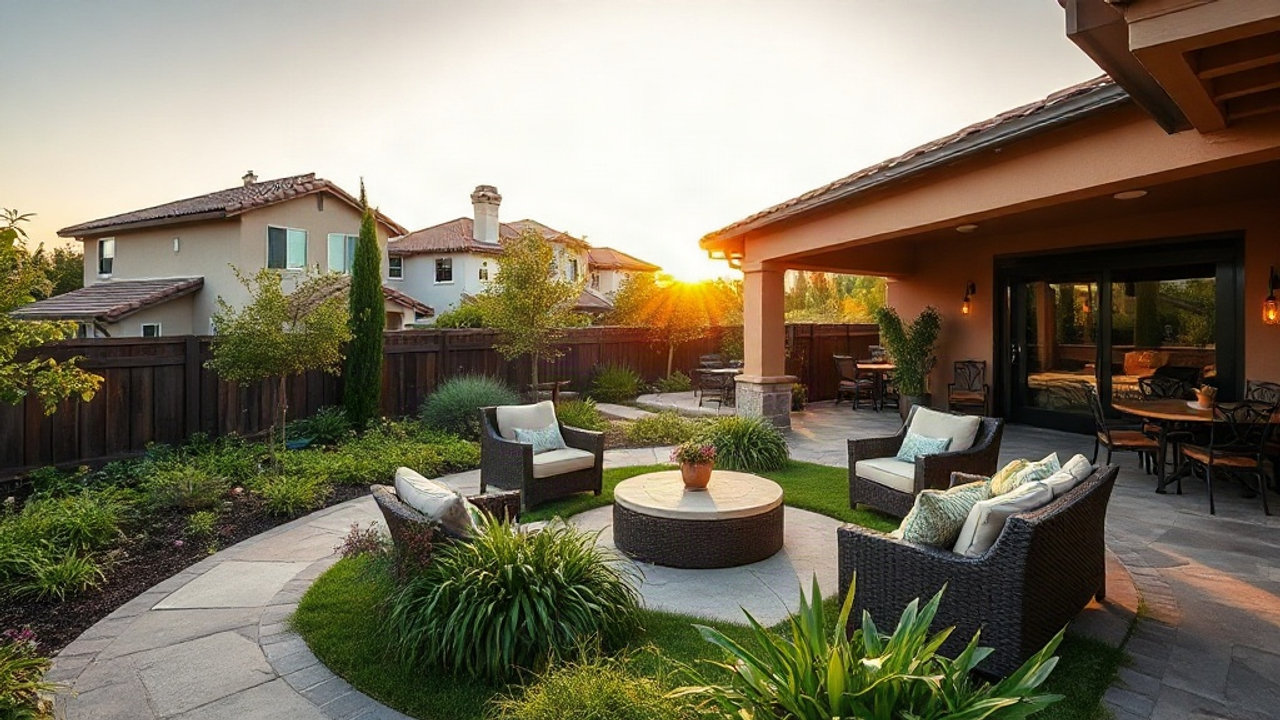
ARC Design Landscape specializes in creating outdoor spaces that thrive in San Diego's Mediterranean climate characterized by mild winters and hot arid summers. This environment presents unique challe
Understanding San Diego's Mediterranean Climate and Landscape Design Requirements
ARC Design Landscape specializes in creating outdoor spaces that thrive in San Diego's Mediterranean climate characterized by mild winters and hot arid summers. This environment presents unique challenges that require careful planning for any project. The distinct wet and dry seasons mean that any landscape plan must incorporate drought-tolerant plants and design elements to thrive. A successful landscape in this region will not only look beautiful but also conserve water resources. This is essential considering California's ongoing water challenges. By understanding the local climate you can choose plants that will flourish with minimal irrigation. Soil composition plays a vital role as Mediterranean climates often possess poor sandy soils that might require amendments for optimal plant growth. Implementing techniques that enhance water infiltration and prevent runoff is crucial. This kind of forward-thinking design does more than just enhance aesthetics; it contributes positively to the ecosystem and climate resilience. Working with a knowledgeable landscape designer who is familiar with the local climate will ensure that your outdoor space is not only visually appealing but also functional and sustainable. These Landscape Design San Diego tips help homeowners achieve lasting results.
Native Plant Selection: California Buckwheat, Toyon, and Sage for Water Conservation
Incorporating native plants into your landscape design is an environmentally-friendly choice that promotes biodiversity and reduces water usage. California buckwheat, toyon, and sage are among the most recommended native plants for San Diego landscapes. California buckwheat is particularly valuable for its drought tolerance and is vital for local wildlife particularly butterflies and bees. Toyon known for its striking berries and ornamental appeal provides habitat while offering visual interest year-round. Sage with its aromatic foliage and vibrant flowers is another fantastic choice that attracts a variety of pollinators and thrives with limited water. By choosing these native species you not only create a stunning landscape but also contribute to water conservation and local ecology. Native plants require less maintenance as they are naturally adapted to the local climate and drought conditions. This selective approach leads to reduced irrigation needs ultimately decreasing your water bill. A landscape using these plants can also serve as an example for neighbors and friends promoting a collective movement towards sustainable practices in the community especially when designed by a professional landscape design company in San Diego. Applying these Landscape Design San Diego tips ensures better water efficiency.
Hardscape Integration: Patios, Retaining Walls, and French Drain Solutions
Hardscape elements like patios retaining walls and drainage solutions are essential parts of landscape design that enhance functionality and visual appeal.
In San Diego where rainfall can be concentrated in short periods addressing water management is crucial. Retaining walls can be constructed to prevent soil erosion and create usable terraced spaces effectively managing slopes in your landscape. When well-designed these walls can also add a sense of elegance to your outdoor area. Patios provide opportunities for relaxation allowing homeowners to enjoy the ambiance of the outdoors without compromising comfort. Whether made of stone pavers or concrete the right patio design can become the focal point of your backyard. Additionally incorporating French drain solutions will help mitigate water pooling by directing excess moisture away from key areas. This is vital in preventing damage to the landscape and maintaining the integrity of your designs. An experienced professional landscape design company in San Diego will understand how to integrate these hardscape elements seamlessly with plant life to create a cohesive environment that stands up to the unique climate while remaining beautiful year-round. Landscape Design San Diego tips emphasize proper drainage planning.
3D Landscape Design and CAD Renderings for Project Visualization
In today's landscape design process the use of 3D design and CAD renderings has revolutionized how clients understand their spaces. Being able to visualize your landscape before it comes to life can make all the difference. Studies have shown that projects utilizing visual tools lead to higher satisfaction levels among clients. With detailed 3D renderings homeowners can get a realistic view of how various elements will interplay within their space from plant placement to hardscape layout. These visual aids allow for better decision-making and can help identify potential issues before they arise. The intricate designs meant for your specific preferences can be tailored to reflect your lifestyle and desires ensuring a personalized touch. Moreover viewing a landscape prior to installation can facilitate discussions about adjustments or enhancements. This interactive design process encourages collaboration between the client and designer allowing for adjustments based on feedback and ensuring that the final product is as delightful as envisioned. When executed with finesse 3D landscape design can truly bridge the gap between concept and reality creating outdoor spaces that inspire and meet expectations.
Water-Efficient Irrigation Systems and Maintenance Planning
Water-efficient irrigation systems are not just a luxury; they are a necessity especially in a region like San Diego where water conservation is paramount.
Implementing advanced irrigation techniques such as drip irrigation or smart controllers can significantly reduce water waste while optimizing plant health. These systems deliver water directly to the plant roots minimizing evaporation and runoff which is essential for the local ecosystem. Alongside proper system setup regular maintenance planning becomes crucial to ensure these systems function efficiently over time. Scheduling seasonal checks can help identify any malfunctions or areas needing adjustments which prolongs system lifespan and enhances plant growth. Practically this means you will spend less on water bills and contribute to a more sustainable environment. Additionally new technologies such as soil moisture sensors and weather-based controllers automate irrigation schedules providing the right amount of water at the right times. By investing in water-efficient design and maintenance you are not only safeguarding resources but also preparing your landscape to thrive in the long term. This commitment to sustainability is not just beneficial for your garden; it creates a ripple effect inspiring others in the community to adopt water-conscious practices.
Cost Considerations: Budget Planning for Professional Landscape Design in San Diego
Navigating the costs associated with professional landscape design can feel daunting but understanding the financial landscape helps significantly. In San Diego landscape design costs typically range from $2,000 to $10,000 or more depending on various factors such as project scope materials chosen and complexity. When planning your budget it is essential to consider all elements involved including plants hardscape labor and any special features you might want like water features or outdoor kitchens. Prioritizing your desires can help identify areas where you might want to invest more and where you could save. It is also advisable to employ a professional designer who can provide estimates and guide you on achieving the best value for your investment. Consider engaging with local experts who are familiar with the unique challenges of San Diego landscaping as they can help find solutions that fit your needs and budget while delivering high-quality results that last. These Landscape Design San Diego tips support informed decision making for every project.
San Diego's mild, dry climate shapes effective landscape design. Focus on local conditions including coastal breezes, sandy soils, and limited rainfall. Select plants adapted to these factors for better survival and lower upkeep. Integrate sustainable methods such as water-wise layouts and soil improvement. Balance hardscaping and planting to create functional outdoor areas that handle temperature swings and sun exposure. Account for drainage needs and wind patterns to prevent erosion or plant stress. These choices produce landscapes that stay attractive and efficient year-round.
Start with native plants that require less water once established. Install drip irrigation or smart controllers to deliver moisture only where needed. Improve soil with organic matter to retain water better. Group plants by similar water needs to avoid waste. Add permeable surfaces for better drainage and reduced runoff. Use mulch to limit evaporation and suppress weeds. These steps cut water use, support local ecosystems, and lower long-term maintenance while keeping the landscape healthy in San Diego conditions.
Mediterranean styles work well with drought-tolerant plants, gravel paths, and stone elements suited to the climate. Tropical designs use bold foliage and palms for a lush look while managing water carefully. Modern approaches favor clean lines, geometric beds, and minimal plant palettes that emphasize structure over abundance. Each style adapts to local sun, soil, and water limits. Choose based on your property's exposure and how much upkeep you want. These options deliver visual appeal without high resource demands.
Prioritize drought-resistant and native species that handle dry summers and mild winters. Check sun and shade patterns on your site before selecting varieties. Match plant water needs to your irrigation setup. Consider mature size to prevent overcrowding. Look at soil type and drainage, then amend as needed. Focus on plants from coastal sage scrub or chaparral communities for best results. This approach reduces replacement costs and supports pollinators while keeping the garden attractive with minimal extra water.
Overcrowding plants leads to competition for water and light, plus higher disease risk. Skipping proper soil preparation causes poor root growth and constant stress. Ignoring long-term maintenance needs results in overgrown or neglected areas. Failing to plan for water use wastes resources and raises costs. Not accounting for sun, wind, or drainage creates dead zones. Measure spaces carefully and select plants that fit the site conditions from the start. These steps prevent expensive fixes later.
ⓘ
Quick Reference: ARC Design Landscape
What is it?ARC Design Landscape specializes in creating outdoor spaces that thrive in San Diego's Mediterranean climate characterized by mild winters and hot arid summers. This environment presents unique challe