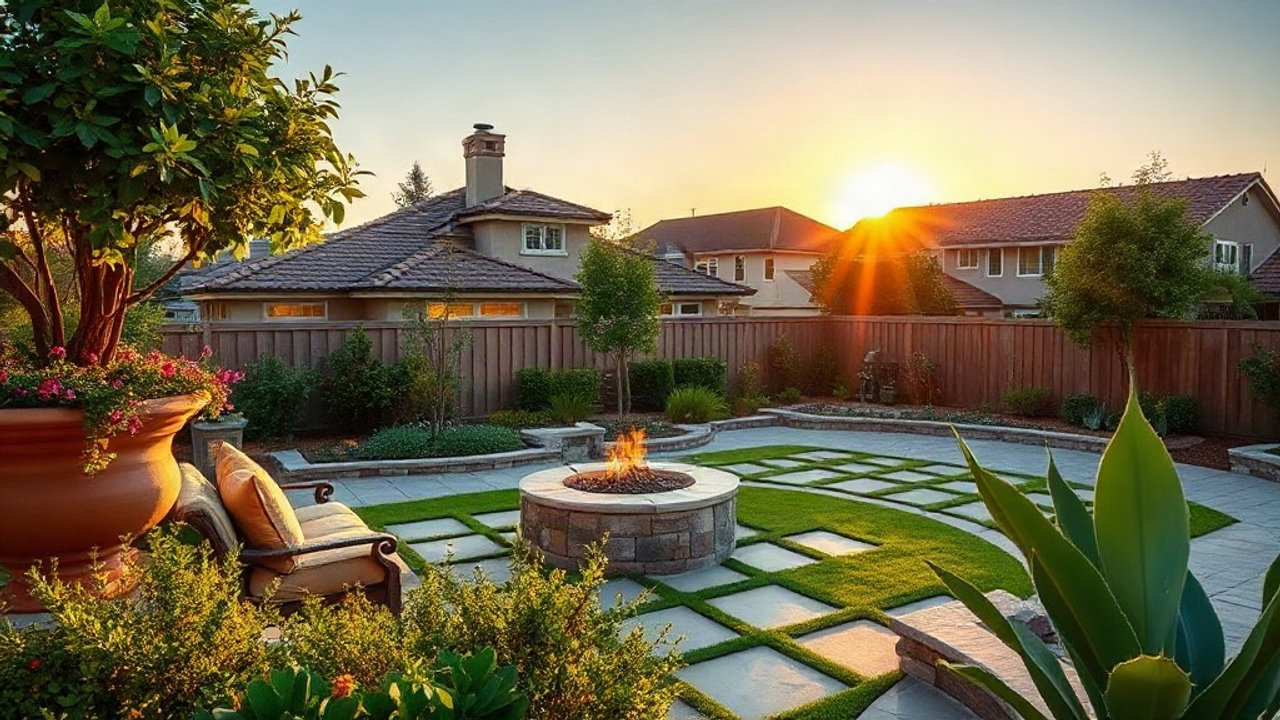
ARC Design Landscape specializes in creating outdoor environments that respect San Diego's unique Mediterranean climate. This region's distinct wet and dry seasons require careful planning to build su
Understanding San Diego's Mediterranean Climate and Landscape Design Principles
ARC Design Landscape specializes in creating outdoor environments that respect San Diego's unique Mediterranean climate. This region's distinct wet and dry seasons require careful planning to build sustainable spaces that thrive year-round. Landscapes must withstand drought while highlighting natural beauty through native plants that maximize water efficiency and support long-term health. Leveraging local topography improves drainage and reduces runoff. Following Landscape Design San Diego best practices means blending organic and structural elements with natural materials and colors for environmental harmony. Aligning gardens with San Diego conditions produces vibrant outdoor sanctuaries suitable for any style from lush gardens to minimalist layouts. Climate knowledge forms the essential foundation for functional and beautiful spaces enjoyed throughout the year.
Native California Plants: The Foundation of Sustainable Landscape Design in San Diego
The growing popularity of using native California plants is revolutionizing landscape design in San Diego. These plants, like California buckwheat, toyon, and sage, are beautiful and adapted to the local climate, requiring significantly less water than exotic species. Employing these native species fosters a more sustainable ecosystem that benefits local wildlife. These plants have natural resilience to local pests and diseases, minimizing the need for chemicals and improving the ecological footprint of the garden. Incorporating these species is a proactive step toward conservation. Native plants thrive in San Diego's dry summers and mild winters, ensuring landscapes remain vibrant even during drought. Many have deep root systems that improve soil structure and support efficient water infiltration. Groups such as San Diego Landscape Stewards promote these plants and offer resources for homeowners seeking environmentally friendly gardens. Embracing native species is a cornerstone of creating a sustainable landscape design in San Diego.
Hardscape Integration: Patios, Pavers, and Retaining Walls in Your San Diego Landscape
Incorporating hardscapes such as patios, pavers, and retaining walls can significantly enhance the usability and visual appeal of your San Diego landscape.
These elements offer a framework that defines spaces, creates pathways, and provides structural support while complementing natural surroundings. Patios extend indoor lifestyle outdoors, providing a perfect venue for gatherings and relaxation. Quality pavers add durability and make maintenance easier, allowing for long-lasting beauty in exterior design. When constructed correctly, retaining walls prevent soil erosion, manage drainage, and create unique planting niches. Choosing appropriate materials like stone, brick, or concrete instills character and functionality. Integrating these features requires careful planning to serve intended purposes without compromising design, following Landscape Design San Diego best practices. Hardscapes can be designed with artistic flair, enhancing aesthetics while ensuring practical benefits. This balance is essential in creating attractive outdoor spaces that are functional and inviting.
Water Conservation Through Smart Irrigation and Drought-Tolerant Design
Water conservation is one of the most critical considerations in landscape design, especially in regions like San Diego where drought conditions can be frequent. By implementing smart irrigation systems, homeowners can optimize water usage, ensuring plants receive needed hydration without wasting resources. Drip irrigation can be tailored to specific plant requirements, delivering water directly to the root zone while minimizing evaporation. Pairing these systems with drought-tolerant designs promotes a sustainable and resilient landscape. This includes selecting native plants that naturally require less water once established. Incorporating features such as rain gardens can capture and manage stormwater runoff, providing an effective way to conserve water. The California Department of Water Resources advises integrating these methods to enhance water use efficiency in landscapes. By embracing these techniques, you cultivate a beautiful outdoor space and a landscape that conserves resources for future generations. Adopting water conservation practices in your landscape design is an ethical strategy that supports personal enjoyment and environmental stewardship.
3D Landscape Design and CAD Renderings for San Diego Projects
The advancement of technology has revolutionized landscape design, particularly through 3D modeling and CAD renderings.
These tools allow for a visually immersive experience before actual work begins, enabling homeowners to envision spaces more clearly. Utilizing 3D landscape design helps evaluate how different elements like plants, hardscapes, and outdoor structures work together within a specific area. CAD renderings offer accuracy, making it easier to plan the layout to scale. Clients in San Diego can provide feedback in real-time about design elements, fostering better communication between designers and homeowners. Visualizing the finished project allows experimentation with various configurations and selection of the best colors and textures. This iterative process provides crucial insights, resulting in a design that meets aesthetic preferences and functional needs. As part of best practices in landscape architecture, these techniques streamline the planning process and enhance the likelihood of satisfaction with the final outcome. More information on Landscape Design San Diego best practices can be found in dedicated resources.
Landscape Design Cost Breakdown and Budget Planning for San Diego Homeowners
Understanding the costs associated with professional landscape design in San Diego is integral to successful project planning. Generally, the average expense ranges from $2,000 to $10,000 or more, depending on the complexity and scale of your landscape vision. Factors influencing this cost consist of design intricacies, the choice of materials, and the labor involved. For instance, creating an intricate garden with diverse native plants may take more expertise and time, influencing the budget. It is crucial to account for not just the initial costs but also ongoing maintenance expenses to ensure the longevity of your landscape. Prioritizing primary goals for your outdoor space can help streamline decisions and keep projects within budget. ARC Design Landscape provides clear estimates and phased planning options that allow clients to achieve their vision without unexpected expenses. Homeowners benefit from transparent breakdowns covering plants, hardscapes, irrigation, and labor so they can make informed choices aligned with both short-term needs and long-term sustainability.
Landscape design rests on functionality, aesthetics, and sustainability working together. Functionality ensures the space supports how people actually use it, whether for seating, play, or circulation. Aesthetics shape the visual balance through plant selection, hardscape materials, and proportions that suit the site. Sustainability requires choices that reduce water use and maintenance while supporting local conditions. In San Diego, this means matching plant palettes and irrigation to the coastal climate, addressing sun exposure, and planning drainage to avoid runoff problems. When these elements align, the result is a landscape that performs well, looks intentional, and lasts with reasonable care.
Sustainability starts with plant choices suited to San Diego’s dry summers and mild winters. Native and drought-tolerant species need far less irrigation once established. Group plants by water needs and install drip irrigation with smart controllers to avoid waste. Use permeable paving and proper grading to manage stormwater on site. Mulch beds to retain moisture and suppress weeds. Avoid high-input lawns where they are not essential. These steps lower long-term costs and reduce the burden on local water supplies while still creating attractive, functional outdoor areas.
Planning prevents costly changes later and ensures the finished landscape meets real needs. Begin by mapping sun, wind, soil, and existing features. Define how the space will be used, then locate paths, seating, and planting zones accordingly. Account for growth rates and mature sizes so plants do not outgrow their places. In San Diego, planning also includes water restrictions and fire-safe zones. A clear plan coordinates hardscape and planting phases, controls the budget, and produces a cohesive result that functions well from the first season onward.
Small yards benefit from the same best practices as larger sites. Focus on multi-use zones, such as a compact patio that doubles as dining and seating space. Choose plants that stay in scale and deliver year-round interest with minimal pruning. Vertical elements like trellises or narrow trees add depth without consuming floor area. Efficient irrigation and good drainage remain essential in San Diego’s climate. Thoughtful placement of a few key features creates a sense of spaciousness and keeps maintenance manageable.
San Diego’s Mediterranean climate, with wet winters and long dry summers, directly shapes plant selection and layout. Choose species that tolerate salt air near the coast and heat farther inland. Group plants by water requirements to match microclimates created by buildings and slopes. Position shade trees to reduce summer heat load on the house while allowing winter sun. Design irrigation systems with seasonal adjustments and consider wind patterns that increase evaporation. These climate-driven decisions reduce water use and keep landscapes healthy through the region’s distinct seasons.
ⓘ
Quick Reference: ARC Design Landscape
What is it?ARC Design Landscape specializes in creating outdoor environments that respect San Diego's unique Mediterranean climate. This region's distinct wet and dry seasons require careful planning to build su