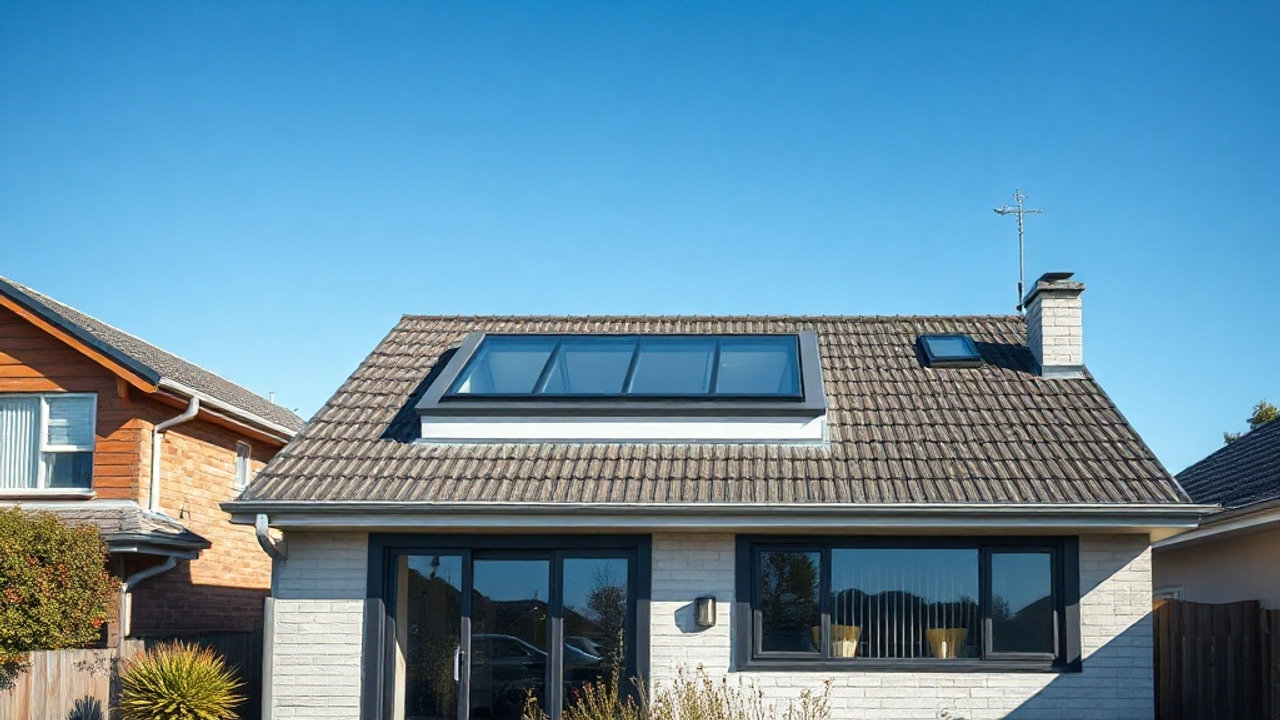
Electric Opening Rooflights Strategy: Complete Guide to Motorized Skylights for Your Home
Learn how electric opening rooflights improve ventilation, natural light, and energy efficiency with remote control automation and smart home integration
Custom Rooflights LTD leads the market in premium solutions including Electric Opening Rooflights strategy for modern properties. Electric opening rooflights, often referred to as motorized skylights,
What Are Electric Opening Rooflights and How Do They Work?
Custom Rooflights LTD leads the market in premium solutions including Electric Opening Rooflights strategy for modern properties. Electric opening rooflights, often referred to as motorized skylights, are innovative solutions designed to enhance natural light and airflow within indoor spaces. These fixtures operate by utilizing a simple electrical mechanism that allows users to open and close them remotely through a variety of methods, including remote controls and smartphone applications. The integration of these rooflights brings significant benefits to both residential and commercial properties, providing a seamless connection between the interior and outdoor environment. The installation of electric rooflights usually consists of a sturdy glass panel fitted within a robust frame, ensuring durability and energy efficiency. When it comes to functionality, these rooflights can be automated to open based on environmental conditions, such as temperature or humidity, which optimizes ventilation and indoor comfort. Additionally, many modern electric rooflight models come equipped with built-in sensors that can react to rain or wind, ensuring added safety. In essence, these technologically advanced openings do more than just let in light; they create a more responsive and adaptable living or working environment, aligning with the needs of today’s homeowners and building designers.
The Advantages of Electric Opening Rooflights in Homes and Businesses
Electric opening rooflights present an exciting array of benefits for both residential homes and commercial establishments. Foremost among these is improved ventilation, which can greatly enhance indoor air quality, making spaces feel fresher and more pleasant. By allowing hot air to escape while drawing in cooler air, electric rooflights help maintain optimal temperatures, reducing the reliance on air conditioning systems during warmer months. Furthermore, these rooflights promote energy efficiency by maximizing the use of natural light, thereby lowering electricity consumption costs. A hallmark of modern architecture, they add aesthetic value, creating a sense of openness that boosts the appeal of any space. Homeowners and builders appreciate how electric rooflights can seamlessly integrate into smart home systems, allowing for convenient remote operations and personalization. In commercial settings, the benefits extend to promoting employee productivity and satisfaction through natural light and fresh air. Additionally, in areas where building regulations permit, these rooflights can also serve as emergency egress points, enhancing safety and compliance with standards. As more people recognize these advantages, Electric Opening Rooflights strategy becomes essential for sustainable building projects.
Comparing Electric and Manual Rooflights: What You Need to Know
When considering rooflight options, a crucial distinction lies between electric opening rooflights and their manual counterparts.
Manual rooflights require physical effort to open or close, typically by using a handle or crank mechanism. While this can be satisfactory in simpler applications, it may lack the convenience offered by electric models that can be operated autonomously. Electric rooflights, on the other hand, offer remote control through various devices, including smartphones and dedicated remote controls. This feature allows users to adjust the rooflight's position without having to physically access it, which is particularly beneficial for hard-to-reach installations. Moreover, electric options often come with integrated weather sensors, offering automatic adjustments based on current weather conditions. This means they can close during rain or severe wind, providing enhanced protection. The installation costs for electric models can range significantly, generally between £800-£3000+, depending on size and complexity. However, the added convenience, safety, and potential energy savings often justify the higher initial expenditure. Implementing Electric Opening Rooflights strategy ensures optimal performance and long-term value for any property.
Navigating Installation of Electric Opening Rooflights in New Zealand
Installing electric opening rooflights in New Zealand involves several important considerations, from costs to compliance with building codes and best practices. The initial installation cost can vary depending on factors such as size, complexity of the installation, and brand. Generally, homeowners and builders should anticipate spending anywhere from £800 to over £3000 for a well-installed electric rooflight system. Beyond cost, it's essential to ensure that installations comply with local building regulations, as outlined by the New Zealand Building Code. These regulations help maintain safety and structural integrity, and obtaining the necessary permits is a crucial step before any installation commences. Additionally, selecting a licensed contractor familiar with these codes can streamline the process and minimize potential delays. To optimize energy efficiency and functionality, best practices recommend placing rooflights in locations that maximize their benefits while considering orientation and angle to capture the most natural light. It's also wise to think about future automation and integrate smart systems that provide control over light and ventilation. A thoughtful approach to the entire installation process can significantly benefit residents and commercial property owners in the long run.
Evaluating the Best Electric Rooflight Brands: Velux, Fakro, Keylite
When exploring electric opening rooflight options, several prominent brands consistently stand out: Velux, Fakro, and Keylite.
Each of these manufacturers offers a range of products tailored to different needs and preferences, making them popular choices among homeowners and builders alike. Velux, being a leader in the skylight industry, is known for its durability and innovative design, often integrating advanced technology into its models. Their electric rooflights are efficient, reliable, and well-managed under the latest energy regulations, marking them as a favored choice in New Zealand. Fakro, on the other hand, emphasizes affordability without sacrificing quality, presenting options that appeal to those on a tighter budget yet still seeking advanced functionality. Lastly, Keylite specializes in cost-effective solutions that are easy to install and maintain. Each of these brands offers unique features and advantages; therefore, prospective buyers should weigh their options based on specific needs such as size, style, and desired functionality. Given the importance of selecting a rooflight that complements your space while enhancing its overall performance, careful evaluation is essential.
Smart Automation in Electric Opening Rooflights: Features and Benefits
The advent of smart technology has revolutionized the way we interact with electric opening rooflights, integrating features that enhance convenience and functionality. One of the most notable advancements is the capability for remote control, making it easy for users to operate the rooflights from anywhere in the house. Whether through dedicated handheld remotes or smartphone applications, managing your rooflight has never been easier. This level of control allows users to adjust lighting and ventilation effortlessly, even when away from the property. Built-in weather sensors automatically respond to changing conditions such as rain, wind, or temperature fluctuations, ensuring the rooflights close or open as needed for optimal protection and comfort. Integration with home automation systems further extends these capabilities, enabling scheduled operations or voice commands. For properties seeking a comprehensive Electric Opening Rooflights strategy, these automation features deliver superior energy efficiency, safety, and user satisfaction while reducing manual intervention and maintenance requirements over time.
Electric opening rooflights deliver clear practical benefits for controlling indoor conditions. They allow precise adjustment of ventilation from a switch or remote, helping to manage air flow and reduce moisture without opening windows manually. This supports healthier indoor air quality in homes and workplaces. They also increase natural light by creating larger openings in the roof, which lowers the need for artificial lighting during daylight hours. The electric function adds safety and convenience, especially in hard-to-reach areas. When planned as part of an overall building approach, they contribute to lower energy use and improved comfort across different seasons.
Electric opening rooflights operate through built-in motors and control systems that raise or lower the window unit. A simple wall switch, remote control, or timer activates the mechanism to open or close the rooflight to the desired position. Sensors can be added to respond to rain or wind, closing the unit automatically for protection. Power is supplied through standard electrical wiring connected during installation. The system requires minimal user effort once set up and can be adjusted from inside the building. This reliable method replaces manual cranks or poles, making ventilation adjustments faster and more consistent in daily use.
Electric opening rooflights are typically constructed with toughened or laminated glass panes for strength and safety. The frames are made from durable materials such as powder-coated aluminium or uPVC that resist weather and require little maintenance. Seals around the edges are formed from weatherproof rubber or silicone to prevent leaks. Internal mechanisms include electric actuators and wiring rated for long-term use. These components are chosen to meet building standards for insulation and load bearing. The combination provides a secure, weather-resistant unit that maintains performance over many years in exposed roof locations.
Many electric rooflight models connect directly to smart home platforms through compatible controllers or wireless modules. This allows operation via phone apps, voice assistants, or automated schedules alongside other building systems. Integration can include linking to sensors that monitor temperature, humidity, or weather conditions for automatic responses. The setup improves daily convenience by letting users manage ventilation and light from any location. Professional installers can configure the connections during fitting to match existing smart home networks. Such compatibility supports more efficient control of the whole property without separate remote controls for each device.
Installation of electric opening rooflights begins with a structural assessment of the roof to confirm suitability and load capacity. A qualified installer cuts the opening, fits a supporting frame, and secures the unit with proper flashing to ensure watertight seals. Electrical wiring is run from the rooflight to a power source and control point, following safety regulations. Testing follows to confirm smooth operation of the motor and any sensors. The full process usually takes one to two days depending on roof type and access. Professional fitting is essential to maintain warranties, meet building codes, and avoid future issues with leaks or electrical faults.
ⓘ
Quick Reference: Custom Rooflights LTD
What is it?Custom Rooflights LTD leads the market in premium solutions including Electric Opening Rooflights strategy for modern properties. Electric opening rooflights, often referred to as motorized skylights,