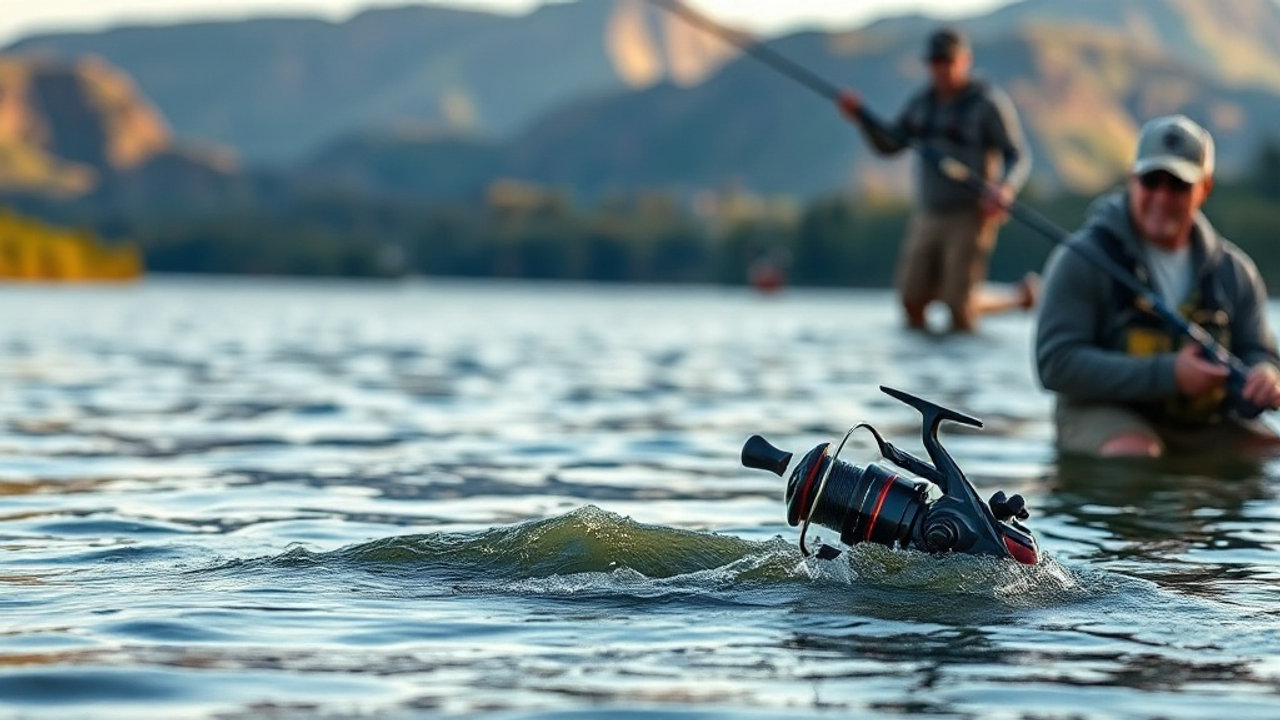
Daiwa Reel Tips: Expert Guide to Setup, Spooling, and Maintenance
Master your Daiwa fishing reel with professional spooling techniques, backlash prevention strategies, and post-trip care routines for both freshwater and saltwater fishing
At Mia's Angling & Scuba we know that spooling your Daiwa spinning reel correctly is essential for optimal performance when targeting Daiwa Reel tips. To improve your casting distance and prevent line
Daiwa Spinning Reel Spooling Tips: Tension and Fill Guidelines
At Mia's Angling & Scuba we know that spooling your Daiwa spinning reel correctly is essential for optimal performance when targeting Daiwa Reel tips. To improve your casting distance and prevent line tangles, you must pay attention to the tension and fill guidelines. According to Daiwa’s own tech tips, the key is to spool the line under firm tension, ensuring that it wraps tightly around the spool. This technique minimizes line slippage and enhances overall control. In addition, aim to fill the spool to about 1–2 mm below the lip for the best results. This small detail can significantly impact your casting accuracy and line management. You can find comprehensive guidance on how to spool a spin reel in the informative article from Daiwa. If you’re seeking to dive deeper, consider visiting the website to Explore Daiwa fishing reels and professional reel services. You’ll find various options tailored to a range of fishing styles. Additionally, always remember to check your line frequently for wear and tear, replacing it when needed to ensure longevity and performance. By following these simple yet effective spooling tips, you will not only increase your effectiveness on the water but also enhance your overall fishing experience.
Daiwa Baitcaster Setup Tips: Spool Tension and Magnetic Control
Setting up a Daiwa baitcaster properly can make or break your angling success when applying Daiwa Reel tips. Understanding how to adjust spool tension and magnetic control is crucial for minimizing backlash during casts. Spool tension should be adjusted so that the lure drops slowly when the reel is in free spool; this ensures the optimal drag for your specific casting conditions. Moreover, utilizing the magnetic control feature can greatly enhance your casting performance. By adjusting the magnetic settings closer to maximum, you can combat the potential for backlash, especially when making long casts or when the wind is against you. This balance is vital for successful fishing endeavors. Daiwa's setup guidance offers detailed insight, clarifying how to tailor these settings for different situations. Remember that it's all about finding the sweet spot that allows you to cast freely while keeping control over your line. Patience in this setup process will pay off huge dividends on the water as more controlled casts lead to better accuracy and less frustration. Regular practice with these Daiwa Reel tips at Mia's Angling & Scuba builds confidence quickly.
Backlash Prevention Tips for Daiwa Reels
Backlash can be a true bane for anglers using baitcasting reels, but it doesn't have to ruin your fishing day.
To effectively prevent this issue with your Daiwa reels, it's essential to adopt a few key strategies when following Daiwa Reel tips. First, ensure that your spool tension is set correctly; this alone will greatly decrease the chances of backlash. Additionally, consider the weight of your lure. Using lures that are too light can provoke backlash, as they may not provide enough tension on the line during casting. Another useful tactic is to practice your casting technique. Short, controlled casts can help you gradually build up your skills while reducing the likelihood of backlash as you become more comfortable with your reel and tackle. It's also advisable to familiarize yourself with the magnetic control settings on your reel. Make slight adjustments to the magnetic brake to find a setting that works best for your casting situation. Keeping these backlash prevention tips in mind will lead to a smoother fishing experience, allowing you to focus on what's most important – catching fish.
Daiwa Reel Maintenance Tips: Freshwater Rinse and Drag Care
Maintaining your Daiwa reel is imperative for ensuring longevity and optimal performance with proper Daiwa Reel tips. A simple yet often overlooked practice is to perform a freshwater rinse after each fishing trip. Whether you're fishing in freshwater or saltwater, getting rid of residues and preventing corrosion is crucial. After rinsing, make sure to dry your reel thoroughly. To improve the life of your drag system, it's recommended to loosen the drag after cleaning. This prevents the drag washers from compressing over time, thus ensuring better performance and reliability when you're out on the water. Daiwa’s maintenance FAQs provide helpful insights into additional care for your reels. Incorporating these techniques will notice a significant improvement in your reel's functionality and durability. Take care of your equipment, and it will reward you with top-notch performance for years to come. Regular maintenance not only prolongs your reel's life but also enhances your fishing experience at Mia's Angling & Scuba.
Fishing in saltwater can be incredibly rewarding, but it also requires diligent care for your Daiwa reels.
Saltwater exposure can be significant wear and tear on your fishing gear if proper precautions aren't taken. After each outing, it's crucial to rinse your reel with fresh water to eliminate salt and other contaminants. This quick rinse will significantly increase your reel’s longevity. In addition to rinsing, make sure to dry the equipment thoroughly before storing it away. Furthermore, check periodically for signs of corrosion, especially on the reel's moving parts and screws. Using a dedicated reel lubricant can also help protect against the harsh saltwater environment, ensuring that your bearings and gears perform optimally. Adopting these saltwater care tips will not only preserve your investment but also improve your casting and retrieval efficiency, enabling you to enjoy successful fishing adventures time and again.
Daiwa Reel Casting Tips: Distance and Line Management
When it comes to casting with your Daiwa reel, mastering distance and line management goes hand-in-hand with successful fishing. First and foremost, make sure your reel is properly set up as previously discussed regarding tension and magnetic control. Once your gear is ready, focus on your casting technique. A smooth acceleration while keeping your rod tip low can help you achieve greater distances. In addition, pay attention to your line’s condition; a badly tangled or frayed line can severely impact your casting efficiency. Keeping your line in good shape is essential for smooth casting and retrieval. Consider using lighter lures if you're having trouble casting far; this will allow you to increase distance effectively without adding extra strain on your reel. These casting tips will improve not just your casting distance but also your overall fishing efficiency. As you practice these techniques, you’ll see a marked improvement in your angling experience every time you hit the water.
Daiwa Reel Best Practices and Resources
To truly excel in your fishing pursuits, adhering to best practices for Daiwa reels can greatly enhance your performance and enjoyment. From regular maintenance to specialized care techniques, incorporating effective maintenance and care practices helps ensure that your equipment stands the test of time. Explore all the valuable resources available to you through Daiwa’s online platforms and local experts at Mia's Angling & Scuba. Learning these Daiwa Reel tips consistently will help you avoid common mistakes and get the most from every outing. Consistent application leads to better results on the water and greater satisfaction with your gear over many seasons of use.
Find Us on the Map
Frequently Asked Questions
Regular cleaning and lubrication keep Daiwa reels performing well. After each fishing trip, rinse the reel with fresh water to remove salt, sand, and debris. Use a soft brush for hard-to-reach areas. Dry it completely with a cloth. Apply reel oil to the handle, gears, and bearings according to the manufacturer's guidelines. Inspect the drag washers and replace them if they show wear. Avoid using excessive force when tightening components. Store the reel in a protective case in a dry environment. Following these practices prevents rust and maintains smooth operation for many seasons.
Adjusting the brake settings helps increase casting distance on Daiwa baitcasting reels. Start with the brakes set higher to prevent overruns, then gradually reduce them as you gain control. Match the lure weight to the reel's specifications for optimal performance. Keep the spool tension knob adjusted so the lure falls slowly when the thumb bar is released. Use high-quality line that matches the reel's capacity. Clean the bearings regularly to minimize friction. Practice smooth casting motions without forcing the rod. These adjustments allow the spool to turn freely for longer casts while avoiding tangles.
When selecting a Daiwa reel, evaluate the gear ratio to match your target fishing style. Higher ratios provide faster retrieves for techniques like topwater fishing. The drag system should offer smooth, consistent pressure without jerking. Consider the reel's weight for comfort during long days on the water. Lighter models reduce fatigue but may sacrifice some durability. Check the line capacity and bearing count for smooth operation. Test the handle ergonomics if possible. Balance these factors with your budget and intended use to find a reel that performs reliably in your specific conditions.
Fishing techniques with Daiwa reels depend on the model and target species. Spinning reels work well for finesse presentations with light lures and require steady retrieves. Baitcasting reels suit heavier baits and power fishing where precise control matters. Adjust your retrieve speed based on the gear ratio to trigger strikes effectively. Use the drag system to tire out strong fish without breaking the line during runs. For trolling applications, maintain consistent boat speed to match the reel's capabilities. Match the technique to the water conditions and fish behavior for best results. Experiment with different setups to discover what works in your local waters.
Common issues with Daiwa reels include drag failure from worn washers or improper settings. Line twist often results from poor spooling or using the wrong line type. Bearings can seize if not lubricated regularly, causing rough operation. Backlash on baitcasters happens when brakes are set too low for the conditions. Corrosion builds up in saltwater environments without proper rinsing. Check the level wind mechanism for jams that affect line lay. Address these problems early by inspecting components after use and performing routine maintenance to avoid major repairs.
ⓘ
Quick Reference: Mia's Angling & Scuba
What is it?At Mia's Angling & Scuba we know that spooling your Daiwa spinning reel correctly is essential for optimal performance when targeting Daiwa Reel tips. To improve your casting distance and prevent line