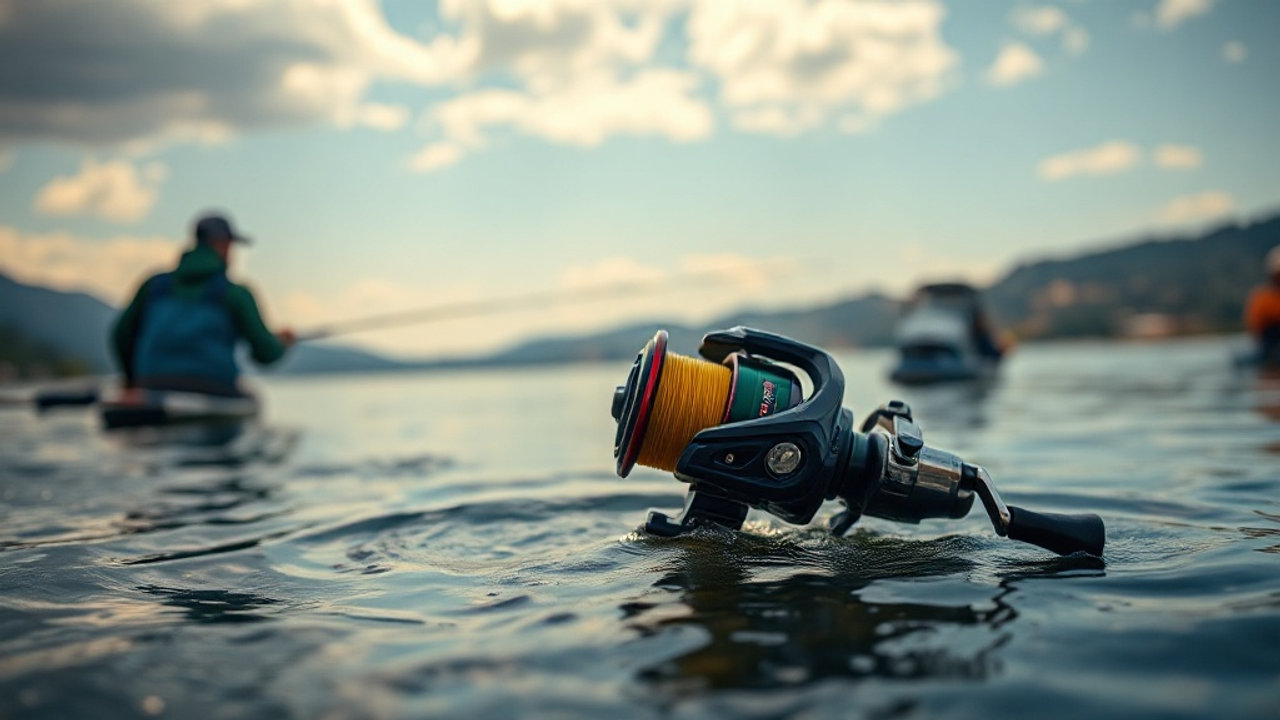
Understanding Proper Daiwa Reel Maintenance Matters for Local Anglers
At Mia's Angling & Scuba we know that proper maintenance of your Daiwa reel is crucial, especially for local anglers who depend on these devices for their livelihood and leisure. Routine upkeep not only maximizes performance but also extends the lifespan of your reel, which can be a significant investment. For many anglers, the days spent fishing are among the most rewarding. To keep that experience enjoyable, you need to start with a well-maintained reel. Neglecting maintenance can lead to wear and tear, ultimately resulting in poor performance when you’re out on the water. Regular inspections can spot minor issues before they balloon into major problems, costing you time and money on repairs. Additionally, you’ll find that a well-maintained reel enhances your fishing experience, providing smoother casts and fewer tangles when catching your prized fish. Whether you’re an experienced angler or just starting out, understanding the intricacies of reel maintenance can help you make the most of every fishing trip. Remember that even small steps in this process can yield substantial long-term benefits when you follow Daiwa Reel best practices.
Essential Freshwater Rinsing: The First Step After Every Fishing Trip
After every fishing trip, one fundamental practice for maintaining your Daiwa reel is thorough rinsing with freshwater. This essential step is particularly vital when fishing in saltwater environments, where corrosive salt deposits can wreak havoc on your reel's internal components. Once you're done for the day, take a moment to securely tighten the drag on your reel. This simple act can prevent water from seeping into places where it shouldn't be. Once the drag is secured, proceed to rinse the reel gently with a light mist of freshwater; avoid using a high-pressure jet as it may force contaminants deeper into the reel. Gently shake off any excess water after rinsing and air-dry the reel in a cool, shaded space away from direct sunlight. This simple step can go a long way in ensuring that the intricate parts of your Daiwa reel remain in excellent condition. Applying Daiwa Reel best practices during every rinse keeps your equipment reliable for years.
Daiwa Reel Cleaning Best Practices: Saltwater vs Freshwater Care
Cleaning your Daiwa reel is not a one-size-fits-all approach; it varies significantly between freshwater and saltwater use.
Saltwater conditions introduce heightened risks due to salt and sand, which can accelerate wear and tear. For saltwater anglers, after each outing, it’s essential to give your reel a thorough freshwater rinse to remove any salt deposits. Subsequently, use a warm freshwater solution with a bit of mild dish soap to effectively clean the surface and components. For freshwater fishermen, while the cleaning process is somewhat simpler, it’s still important to remove any dirt and debris that might have collected. Avoid harsh cleaners that could wear down the reel’s finish or harm internal parts. After rinsing, dry the reel completely before applying a small amount of high-quality reel-specific oil or grease to key components like the line roller and spool bearings. Effective maintenance practices ensures that your Daiwa reel remains a reliable companion on the water for many seasons to come when you apply Daiwa Reel best practices consistently.
Proper Lubrication Points and Techniques for Daiwa Reels
Lubrication is a pivotal aspect of maintaining your Daiwa reel, yet it’s often misunderstood. Many anglers tend to over-lubricate, thinking that more oil will enhance performance. However, too much lubrication can hamper the performance by attracting dirt and debris, leading to quicker degradation. Instead, focus on applying small amounts of reel-specific oil or grease to crucial areas such as the line roller, main shaft, and spool bearings. Each point needs just a drop or two to function optimally. Moreover, ensure that your reel is completely free of sand and dirt before applying lubricant, as any particles can interfere with the smooth operation of the reel. Prior to any re-application of lubrication, always clean out old or degraded lubricant first. This way, you maintain a clean slate for peak performance. Remember that quality over quantity is key when it comes to lubrication and following Daiwa Reel best practices.
Drag Setup and Adjustment for Optimal Performance
According to experienced anglers, understanding how to properly set and adjust the drag on your Daiwa reel is critical for successful fishing.
From the outset, the first step is to confirm the drag before any cleaning or maintenance process begins. This might seem unusual, but correctly managing your drag settings can vastly improve your effectiveness on the water. Taking the time to adjust the drag helps you respond better when you hook into a big fish. Always remember the guiding principle; you want your drag to be tight enough to overcome the fish's resistance yet loose enough to allow for initial runs. A simple turn of the drag knob can achieve that balance. Regularly practicing this adjustment during fishing trips will instill you with a better understanding of the tension required based on your target species. A well-adjusted drag can not only mean the difference between landing that trophy fish or losing it but also adds to the excitement of the sport.
Best Practices for Storing Your Daiwa Reel
When it comes to your Daiwa reel, storage and transport play a pivotal role in its longevity. After using your reel, always ensure that the drag is fully loosened. This seemingly small step helps avoid compressing the drag washers, which can be a hidden source of damage over time. As part of your storage routine, make sure the reel is thoroughly dry. Moisture trapped within could potentially lead to corrosion or rust if left unchecked. Additionally, investing in a quality protective case can make a significant difference in preventing dust accumulation and unintentional knocks during transport. You should also keep in mind the importance of avoiding direct sunlight and heat sources, as prolonged exposure can weaken the reel's components. Taking these simple but effective precautions to protect your investment will ensure that your Daiwa reel remains ready for action whenever you decide to hit the water again.
Identifying and Solving Common Daiwa Reel Problems
Despite the excellence of Daiwa reels, occasional issues can arise that require prompt attention. Common problems include drag slippage, noisy operation, or line tangling during casts. These often stem from improper cleaning, insufficient lubrication, or incorrect drag settings accumulated over many trips. Begin troubleshooting by inspecting the reel for visible debris or salt buildup and perform a full freshwater rinse. Next, check lubrication points and reapply small amounts of appropriate oil or grease if needed. Test the drag system by adjusting tension in small increments until smooth resistance is achieved. If problems persist after these steps, consult a professional technician at Mia's Angling & Scuba for deeper internal service. Following Daiwa Reel best practices during routine care greatly reduces the frequency of such issues and keeps your reel performing at its peak.