At Mias Angling & Scuba, swivels are indispensable tools in an angler's arsenal because they effectively combat line twist, a common issue that can frustrate even the most experienced fishers. When ca
Why Swivels for Fishing Are Essential: Understanding Line Twist Prevention
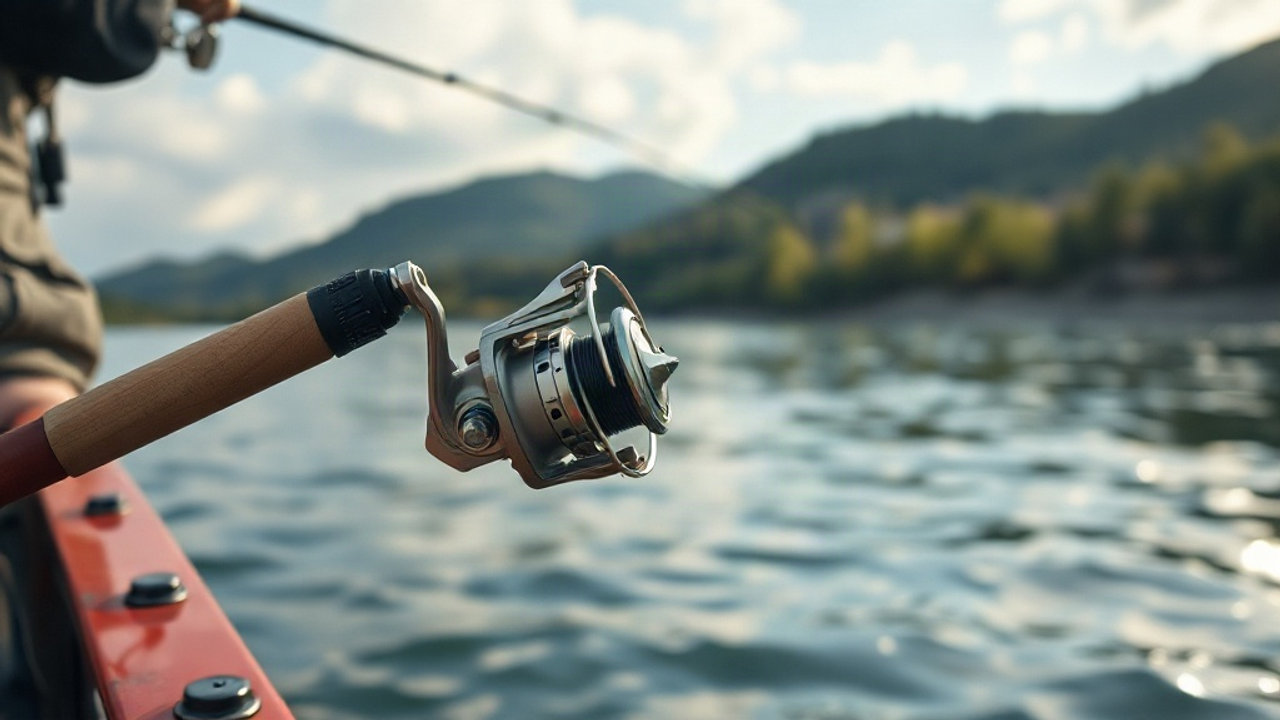
At Mias Angling & Scuba, swivels are indispensable tools in an angler's arsenal because they effectively combat line twist, a common issue that can frustrate even the most experienced fishers. When casting and retrieving lines, the rotational movement can cause lines to become twisted. This can result in tangles, shortening your time on the water and reducing your catch rates. By incorporating swivels, which act as crucial mechanical devices, you can manage this problem efficiently. These devices allow your lure or bait to rotate while keeping your main line steady, enhancing your overall success. Moreover, according to the Recreational Boating & Fishing Foundation, employing the right tackle set-up, including swivels, dramatically increases fishing effectiveness. Without these small yet mighty devices, you risk damaging your line and experiencing frustration during critical moments. For fishing enthusiasts eager to maximize their efforts, understanding how to choose the right swivel is essential. By preventing line twists, you ensure smoother casts and retrievals, ultimately leading to more successful fishing trips. Awareness of the essential role that swivels play is the first step in enhancing your fishing experience, allowing for improved gear performance, clearer lines, and a more pleasurable outing on the water.
Types of Fishing Swivels: Barrel Swivels vs. Ball Bearing Swivels Explained
When it comes to selecting fishing swivels, anglers often face the choice between barrel swivels and ball bearing swivels. Learn more about swivels for fishing best practices. Each type serves specific purposes, catering to different fishing styles and techniques. Barrel swivels are renowned for their affordability and versatility. They are a practical choice for simple tasks like connecting leader lines or attaching lures. However, their design may not fully prevent line twist during vigorous actions. On the other hand, ball bearing swivels offer enhanced performance. With a series of ball bearings within their structure, these swivels provide smoother rotation, significantly reducing line twist even in the most demanding scenarios. Anglers engaging in activities such as trolling or spinner fishing will find ball bearing swivels particularly beneficial due to their higher strength ratings, typically ranging from 20 to 300 lbs. Understanding these types of swivels can empower anglers to make informed choices based on their fishing techniques. Each option comes with its own strengths, and by selecting the most appropriate type, you can optimize your fishing strategy for better results on the water when you shop premium fishing swivels online and in-store.
Fishing Swivels Breaking Strength Ratings: Choosing the Right Strength for Your Method
Choosing the right fishing swivel involves understanding the breaking strength ratings, which are crucial for ensuring your tackle performs effectively.
Swivels, particularly ball bearing types, typically have breaking strengths ranging from 20 to 300 lbs, reflecting their maximum load-bearing capacity without failure. This rating is imperative for anglers as the correct strength level directly impacts line integrity during fishing expeditions. For anglers who are targeting larger species, utilizing a swivel with a higher strength rating is essential to accommodate the increased tension caused by heavy fish. Conversely, lighter tackles can use swivels with lower strength ratings, ensuring their setup remains balanced and effective. The global fishing tackle market, valued at approximately $15-20 billion annually, notes that swivels are among the top-purchased components, reinforcing the necessity of selecting the right gear. To explore an assortment of options tailored to your fishing needs, you can find a range of reliable options that suit every angler's requirements and preferences. Remember, aligning your swivel choice with your fishing method will significantly enhance your overall experience while on the water.
Best Fishing Swivels for Trolling, Spinning, and Live Bait Rigs
Identifying the best fishing swivels for various techniques like trolling, spinning, and live bait rigs is vital in enhancing your effectiveness as an angler. Trolling requires specific swivels that support heavy weights and allow for seamless line movement. Ball bearing swivels are often preferred in this technique due to their superior performance and durability. Spinning, on the other hand, benefits from lighter barrel swivels that maintain sensitivity without compromising strength. These swivels easily allow the bait or lure to move freely, thus appealing to more fish. Live bait rigs also require specific considerations; here, a reliable swivel ensures that the live bait can swim and move naturally without line interference. Choosing the right swivel can make an incredible difference when competing in both freshwater and saltwater fishing scenarios. As you seek to elevate your fishing game, considering the relationship between your chosen technique and the type of swivel you incorporate is essential. By focusing on the right gear, you not only improve your handle on the water but also heighten your chances of landing the big catch. Selecting the best swivels means you can tailor your fishing approach and achieve greater success.
How to Select and Install Fishing Snap Swivels: Size, Knot, and Application Guide
Selecting and properly installing fishing snap swivels involves understanding size, knot choice, and application methods to ensure optimal use.
Firstly, determining the correct size for your specific fishing needs is essential. You’ll find different sizes of snap swivels on the market, and it's crucial to choose one that fits your tackle and target species appropriately. A mismatch can lead to poor performance and eventually frustration on the water. Knot selection plays a vital role in securing the swivel to your line. Several popular knots, such as the improved clinch knot or Palomar knot, are easy to learn and provide a robust connection. The application of snap swivels can vary based on your fishing method; they are particularly useful with lures that require quick changes. Understanding these components can significantly enhance your fishing efficiency. Moreover, maintaining your gear's integrity by routinely inspecting the conditions of both the knot and swivel can prevent untimely line failures. By mastering the selection and installation processes, you can ensure a seamless fishing experience that maximizes your time spent on the water.
Common Fishing Swivel Problems: Solving Line Twist, Knot Failure, and Tangling Issues
Addressing common fishing swivel problems like line twist, knot failures, and tangling issues is essential for any angler interested in optimizing their gear. One prevalent dilemma is line twist, which can directly impact your ability to fish effectively. This often occurs due to improper swivel selection or use; therefore, ensuring you select the right type and size based on your technique can mitigate this. Knot failures can also be frustrating; these typically arise from incorrect knot tying or low-quality swivels. Maintaining strong knots is crucial to your setup’s overall integrity. Regularly checking knots and simply re-tie them if you sense weakness can save you from losing a prized catch. Finally, tangling often takes place when the swivel is not engaged properly or when using an inappropriate type of swivel for your activities. Learning how to use swivels effectively and understanding the common failings can truly elevate your fishing experience. At Mias Angling & Scuba we emphasize swivels for fishing best practices to avoid these issues entirely and keep your lines running smoothly.
Find Us on the Map
Frequently Asked Questions
Fishing swivels serve two primary purposes in angling setups. They prevent the fishing line from twisting as lures or baits spin through the water. This twisting can weaken the line over time and lead to tangles. Additionally, swivels enable lures to move more freely and naturally, which can attract more fish by mimicking real prey movement. Using the correct swivel size ensures it does not interfere with the action of the lure. Proper selection based on line strength and lure type maintains the balance needed for effective fishing. Swivels also help in quick changes of terminal tackle without retying knots repeatedly.
Choosing the right swivel depends on several factors related to your fishing situation. Match the swivel size and strength to the line test and the species you target. For heavy saltwater species, use larger, corrosion-resistant swivels made from stainless steel. In clear freshwater, smaller barrel swivels reduce visibility. Consider the water conditions, such as strong currents that require more robust connections. Ball bearing swivels provide smoother rotation for fast-moving lures. Test different options in your local waters to see what performs best without adding unnecessary weight or bulk to your rig.
High-quality swivels provide reliable performance when fighting strong fish. They resist bending or breaking under pressure, which protects your line and prevents lost catches. Better materials resist rust and corrosion in saltwater environments, extending the life of your tackle. Precision manufacturing ensures smooth rotation without binding, maintaining lure action even after repeated use. This durability reduces the need for frequent replacements and builds confidence during long fishing sessions. Investing in quality components leads to fewer equipment failures and more successful outings on the water.
Yes, the weight of swivels and attached tackle can influence overall performance. Heavier swivels may cause the line to sink faster than intended, altering the presentation of your lure. This can be problematic in shallow water or when targeting fish that prefer a slow fall. Excess weight also affects casting distance and accuracy. Select swivels that balance strength with minimal added mass. In some cases, using a lighter swivel with a stronger line rating helps manage line twist without compromising the natural movement of the bait.
Regular maintenance keeps fishing swivels functioning properly. After each trip, rinse them in fresh water to remove salt, sand, and debris that can cause corrosion or stiffness. Inspect for signs of wear, such as bent components or rough rotation. Replace any swivel that does not turn freely. Store tackle in a dry place to prevent rust. Lubricating moving parts occasionally with a light oil designed for fishing equipment can improve longevity. These steps ensure swivels perform consistently and avoid failures during critical moments on the water.
ⓘ
Quick Reference: Mias Angling & Scuba
What is it?At Mias Angling & Scuba, swivels are indispensable tools in an angler's arsenal because they effectively combat line twist, a common issue that can frustrate even the most experienced fishers. When ca