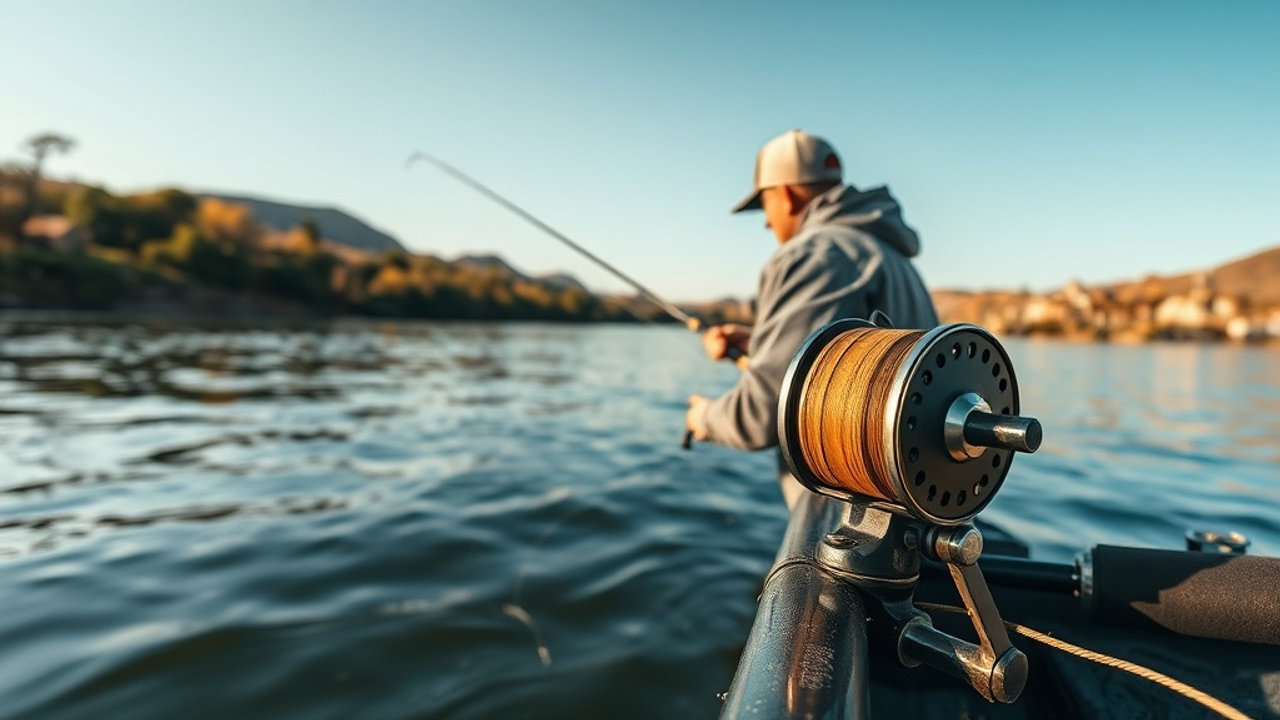
Mias Angling & Scuba provides expert guidance on fishing equipment. When it comes to choosing the right fishing line, understanding the different types available is essential. Anglers can select from
Types of Fishing Line For Sale: Monofilament vs Braided vs Fluorocarbon
Mias Angling & Scuba provides expert guidance on fishing equipment. When it comes to choosing the right fishing line, understanding the different types available is essential. Anglers can select from monofilament, braided, and fluorocarbon lines, each offering distinct advantages depending on fishing conditions and target species. Monofilament fishing line is well-loved for its affordability and versatility, making it an excellent choice for beginners. Its elasticity helps absorb sudden shocks from strikes, ideal for first-time anglers. In contrast, braided line excels in strength and sensitivity; it has a smaller diameter for its pound-test, which allows for better casting distance and line management. This is particularly advantageous for seasoned anglers targeting species that demand precision. Lastly, fluorocarbon fishing line is almost invisible underwater, providing a stealthy approach when fish are skittish or in clear waters. The unique properties of each line type mean that careful consideration must be given to the specific conditions of your fishing environment, which can dramatically enhance your success rate. Applying Fishing Line For Sale tips from Mias Angling & Scuba helps optimize selections.
Fishing Line For Sale Tips for Carp and Bass in Hartbeespoort Dam
Hartbeespoort Dam is a renowned fishing hotspot, especially for carp and bass enthusiasts. Learn more about Fishing Line For Sale tips. Selecting the right premium fishing line for sale with expert specifications can be the determining factor between a great catch and a day of frustration. When targeting carp, opt for a monofilament line with a pound-test rating between 10 to 15 lbs. This line offers excellent knot strength and is less likely to spook wary fish. Conversely, when bass fishing, a braided line with a higher pound-test (20 to 30 lbs) is recommended. This choice not only provides sensitivity to detect bites but also offers the strength needed to reel in sizeable bass quickly. Besides line choice, consider the thickness and stealth; thinner lines may increase your chances of catching sight-sensitive fish, while a stealthy presentation can make a big difference in pressured waters. In all cases, being well-prepared with the right line ensures that you have the best chance of reeling in your trophy catch. Knowledge of the precise characteristics of the fish and conditions around Hartbeespoort can give you an unparalleled edge in your fishing endeavors.
Fishing Line Price Guide: Understanding Pound-Test Ratings and Diameter
Understanding the pricing of fishing lines is crucial for making smart purchases.
The cost is often influenced by factors like pound-test ratings and line diameter. Higher pound-test ratings generally symbolize stronger line capabilities, but this comes at a premium. For instance, a 30 lbs braided line may cost more than a lower-rated 10 lbs monofilament line, but it can offer distinct advantages in durability and sensitivity. The line's diameter is another factor that plays a pivotal role in performance; thinner lines allow for better castability, especially in windier conditions. For serious anglers, investing in fishing lines built with advanced technology might seem costly, yet the enhanced catch rates can justify the expense. To find competitive pricing on high-quality options, exploring platforms offering premium fishing line for sale with expert specifications is recommended. By ensuring that you understand how these factors interact, you can align your preferences and budget, ensuring you achieve the best possible results on your fishing excursions.
Clear Fish Line and Transparent Fishing Line: When to Use Each Type
In the world of fishing, line visibility can greatly affect the success of your catch. Given the variety of environments anglers encounter, knowing when to use clear versus transparent fishing line is essential. Clear fishing lines are particularly useful in murky waters where visibility is compromised. On the other hand, transparent lines shine in clear freshwater scenarios, providing an almost invisible barrier that wary fish cannot detect. The choice between the two often depends on water clarity and the species being pursued. For example, targeting finicky fish in clean lakes or rivers necessitates a more subtle approach, where a transparent line becomes key. Conversely, when fishing in deeper or sediment-rich waters, a sturdy clear line can yield better results. The right choice will help reduce line visibility, enhancing your chances of enticing even the most cautious fish. By matching your line type to your environment and target species, you set yourself up for a successful fishing experience, reflecting the keen understanding that successful anglers develop over time.
Fishing Line For Sale Best Practices for Local Gauteng Fishing Spots
Fishing in Gauteng's diverse environments, from rivers to dams, requires strategic practices, particularly concerning fishing line selection and use.
Firstly, familiarize yourself with local species and their unique behaviors, as this knowledge can guide your line choice. For instance, species such as yellowfish may require thinner lines for a more careful presentation. Moreover, consider the impact of seasonal changes on fish activity; different times of the year may call for varying line types. Regularly checking your line for wear or fraying is essential for maintaining performance; regardless of the type, a well-maintained line ensures greater success rates. Learning local tactics from fellow anglers or participating in community discussions can provide you with invaluable insights that can enhance your fishing adventures. Accurately matching your fishing line to the specific requirements of Gauteng's fishing spots leads not only to increased catches but fosters a deeper appreciation of the skill involved in angling. Incorporating Fishing Line For Sale tips ensures better outcomes at local spots.
Expert Selection Strategy: Matching Fish Line Price to Your Target Species
Navigating the world of fishing line can be overwhelming, especially when considering price and target species. An effective strategy is to base your line selection on the fish you plan to pursue. For instance, high-value species like trophy bass often demand more robust and sensitive lines that come at a premium. Conversely, when targeting species like catfish or panfish, more economical options can suffice, allowing you to manage your budget effectively. Another vital aspect to consider is the fishing environment; saltwater species may require lines made from more resilient materials to withstand the harsher conditions. Understand your specific needs by doing thorough research or seeking advice from local fishing experts. Being aware of what line characteristics influence both pricing and performance can dramatically enhance your fishing success. Ultimately, making informed choices about the lines you buy not only enhances your fishing experience but also boosts your confidence when reeling in your next big catch. Fishing Line For Sale tips from specialists refine these decisions further.
Fishing Line For Sale Tips for Optimal Performance
Selecting the correct fishing line involves evaluating multiple performance factors to match specific angling needs. Mias Angling & Scuba recommends testing lines in varied conditions to understand real-world behavior. Factors such as abrasion resistance, stretch, and knot strength play critical roles in success rates. Anglers should also consider environmental elements like water temperature and current strength when making choices. Proper storage prevents degradation and extends line life significantly. Experimenting with different pound-test options allows fine-tuning for particular species and techniques. Consistent practice with chosen lines builds familiarity and improves casting accuracy over time. These considerations help maximize every fishing outing and reduce equipment failures during critical moments.
When buying fishing line, focus on tensile strength, diameter, and line type. Tensile strength shows the breaking point under load, so select one that handles your target fish without excess risk. Diameter influences visibility in water and casting distance. Thinner lines cast farther and sink faster but may sacrifice durability. Line type matters too: monofilament offers stretch and forgiveness, fluorocarbon provides low visibility underwater, and braid delivers high strength with minimal stretch. Check knot strength ratings and match the line to your reel capacity and rod power. These choices reduce break-offs and improve control during fights.
Match line type and weight to your fishing style and target species. For spinning reels and light freshwater species like trout, use 4-8 lb test monofilament or fluorocarbon. Bass anglers often prefer 10-20 lb braid or fluoro for better hook sets. Saltwater setups require heavier lines with corrosion resistance. Consider water clarity, structure, and casting needs. Heavier lines suit bigger fish or heavy cover, while lighter lines improve bite detection in clear water. Test your setup on the water and adjust based on local conditions and species behavior for consistent results.
Material affects sensitivity, strength, and durability on the water. Monofilament stretches to absorb shock and floats well for topwater lures, though it can absorb water over time. Fluorocarbon is nearly invisible underwater and sinks faster, making it ideal for wary fish and deeper presentations. Braided line offers superior strength-to-diameter ratio with no stretch for direct feel and powerful hook sets. Each material trades off some traits: braid can be visible and fray in rocks, while mono may lose strength after sun exposure. Choose based on your primary technique and environment.
Replace fishing line annually or when signs of wear are evident. UV light, repeated casting, and contact with rocks or teeth weaken line over a season. Inspect for fraying, nicks, color fading, or memory coils that cause tangles. If the line feels rough or you notice reduced casting distance, change it immediately. After landing large fish or fishing in heavy structure, inspect and replace sections as needed. Fresh line maintains consistent strength and knot integrity, preventing lost fish during critical moments. Store spools away from direct sunlight to extend usable life.
Explore various collections online for reliable fishing line options. Reputable tackle retailers and manufacturer sites offer detailed specifications, customer reviews, and bulk options. Compare tensile ratings, diameters, and material types across brands to match your needs. Look for sellers that provide clear return policies and fresh stock. Local shops allow hands-on inspection of spools before purchase. Focus on established sources that stock current lines with proper packaging to avoid old or damaged product. This approach ensures you receive line suited to your rod, reel, and fishing conditions.
ⓘ
Quick Reference: Mias Angling & Scuba
What is it?Mias Angling & Scuba provides expert guidance on fishing equipment. When it comes to choosing the right fishing line, understanding the different types available is essential. Anglers can select from